
Toothpaste

15 min read
July 04, 2026
Home > Blog > Toothpaste > Fluoride-Free Toothpaste Manufacturer: OEM Formulation and Production Guide
Toothpaste
15 min read
July 04, 2026
In This Article
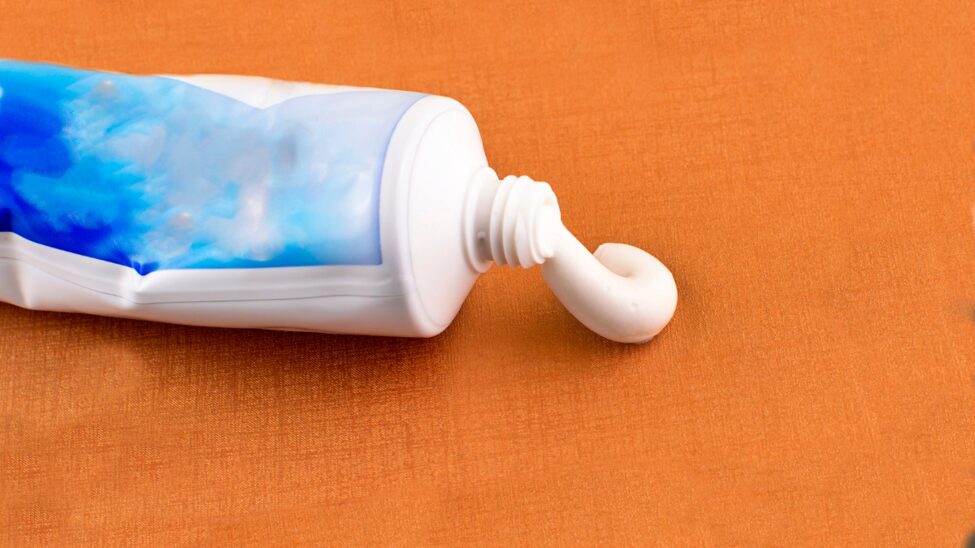
Interest in fluoride-free toothpaste has grown steadily across multiple markets, but manufacturing these products involves developing an entirely different formulation strategy rather than simply removing fluoride from a conventional toothpaste
If you are evaluating this category, you need to understand how formulation goals, ingredient selection, production planning, and market positioning work together before development begins.
This article explains how fluoride-free toothpaste is manufactured, the formulation approaches OEM manufacturers commonly use, and what buyers should understand before choosing a manufacturing partner.
From an OEM perspective, fluoride-free toothpaste is better understood as a formulation category rather than simply a toothpaste without fluoride.
Instead of relying on a single active ingredient to prevent cavities, a fluoride-free toothpaste uses alternative ingredients like hydroxyapatite, calcium carbonate, hydrated silica, or plant extracts. These ingredients are carefully selected to support the intended formulation objectives, while effective cleaning performance is achieved through the overall formulation system.
Removing fluoride changes the entire formulation. It is not as simple as taking a standard toothpaste recipe and pulling one ingredient out.
Because the primary active ingredient is gone, the manufacturer must rebuild the formula from the ground up. The product must still clean effectively, remain physically stable throughout its shelf life, and deliver the intended user experience.
Buyers typically opt for fluoride-free toothpaste to meet specific consumer demands. This includes targeting markets focused on natural or minimalist ingredients, meeting regional regulatory requirements, or catering to demographics where avoiding fluoride is a deliberate purchasing decision.
Manufacturers select the formulation direction according to the intended market positioning rather than following a fixed recipe.
A toothpaste manufacturer does not use a single, standard template for fluoride-free toothpaste. Instead, the ingredients and texture are chosen based on what the product needs to do, what claims it will carry, which market it is going into, and what the target consumer expects from it.
Depending on your market, a manufacturer will typically develop the product in directions like:
Each direction requires a unique combination of ingredients and stability testing. This ensures the finished product looks, tastes, and performs exactly as intended on the shelf.
The manufacturing equipment used for fluoride-free toothpaste is broadly the same as conventional toothpaste production. The mixing systems, filling lines, and tube-sealing equipment do not change based on whether the formula contains fluoride or not.
What changes is what happens during development before production begins, specifically in formulation work, ingredient sourcing, validation, and quality control.
Here is how the development and production process typically runs:
Quality control in fluoride-free toothpaste production covers the same areas as conventional toothpaste, including in-process batch testing, fill weight verification, seal integrity checks, and finished product release testing.
The specific parameters being tested reflect the formulation, but the process structure is consistent with standard toothpaste production.
The overall private label toothpaste launch process, including how development, packaging, and production scheduling connect, is covered in our private label toothpaste launch guide.
When establishing the commercial direction for a fluoride-free toothpaste, the formulation must directly align with the packaging claims.
From a manufacturing and regulatory standpoint, any claim printed on the tube must be fully substantiated by the raw materials in the batch, or the product cannot be cleared for production.
A manufacturer looks at the project specifications through these practical lenses:
The formulation requirements change completely based on the intended label. A basic daily cleaning or breath-freshening claim relies on standard polishing agents and flavors.
However, if the label specifies advanced claims like “remineralizing” or “enamel-safe,” the manufacturer must introduce specific active systems and run extra stability and verification testing to back up those claims legally.
Because consumers of fluoride-free products scrutinize ingredient decks, the raw materials must meet strict purity standards. Sourcing specialized, clean-label, or plant-based alternatives requires different supply chain verification and raw material vetting than a standard chemical formulation.
A manufacturer must review the target market regulations before blending begins. What is classified as a cosmetic toothpaste in one region might be treated as an over-the-counter (OTC) drug in another, which drastically changes the factory’s manufacturing protocols, testing requirements, and quality control documentation.
An experienced OEM toothpaste manufacturer works to lock in these formulation parameters and claim alignments during the initial R&D phase. This ensures the final recipe is fully compliant, runs efficiently on the production line, and passes all regulatory checks before shipping.
A fluoride-free toothpaste follows the exact same production planning principles as a standard toothpaste. The packaging format, MOQ, and cost structure are determined by the same manufacturing factors that apply across the toothpaste range.
Here is the baseline production data for planning a run:
These figures vary based on your specific packaging materials, tube decoration choices, and formulation complexity.
The typical 10,000-tube production minimum results from the combined requirements of tube suppliers, printing setup, industrial batch sizes, and production efficiency.
Running a smaller batch is mechanically impractical and economically unviable for the factory, which is why this starting point matches the standard industry requirements detailed in toothpaste MOQ guide.
However, packaging compatibility is a unique technical consideration for fluoride-free formulas. Because these products frequently use alternative active systems or natural ingredients, they can interact differently with standard plastic or aluminum-laminate tube linings.
Compatibility testing is completed during development to confirm that both the formulation and the selected packaging system remain stable throughout the product’s intended shelf life.
Our South Africa dental toothpaste OEM case study shows how packaging and formulation decisions were worked through on a real toothpaste project and why confirming compatibility early kept that project on schedule.
Choosing the right OEM partner for a fluoride-free toothpaste project means looking beyond general toothpaste manufacturing capability.
The specific demands of this category require a manufacturer who understands fluoride-free formulation from a commercial and regulatory standpoint, not just from a production one.
Here is what to look for when evaluating a manufacturing partner for this category:
An experienced OEM manufacturer balances manufacturing feasibility, formulation stability, regulatory considerations, and market positioning together rather than treating them as separate concerns.
A full breakdown of how to assess a manufacturing partner across all of these dimensions is covered in the toothpaste manufacturer evaluation guide.
The difference is in the formulation objectives rather than simply the ingredient list. A fluoride-free formula is built around different performance goals, different claims, and different consumer expectations from the start. It is not a standard toothpaste formula with one ingredient removed.
Yes. Custom development is available for fluoride-free toothpaste projects where the brand has specific ingredient requirements, performance goals, or positioning needs that cannot be met by an existing stock formula. Custom development extends the timeline and increases development cost compared with a stock formula starting point.
No. The production equipment used for fluoride-free toothpaste is broadly the same as conventional toothpaste manufacturing. The differences are in formulation development, ingredient sourcing, validation, and quality control rather than in the production equipment itself.
The typical MOQ is around 10,000 tubes at the 75 to 100g fill size, consistent with the standard production floor for private label toothpaste. This reflects tube supplier minimums, production line setup costs, and raw material batching requirements.
Prototype samples typically take 5 to 7 working days. Formula development typically takes 7 to 14 working days. The total lead time from sample approval through to finished goods typically runs 45 to 60 days, depending on packaging specifications and how quickly approvals move at each stage.
Manufacturing a successful fluoride-free toothpaste requires looking at the product as an entirely custom formulation, rather than a standard paste with an ingredient taken out.
A smooth product rollout relies on aligning your specific target market goals with technical factory requirements. This means setting realistic production timelines around standard MOQs, running early compatibility testing between your formula and tube materials, and working with a manufacturing partner who understands how these technical pieces fit together.
At ORALABX, we support fluoride-free toothpaste development from initial formulation direction through to finished production, with manufacturing built around your commercial objectives and market requirements.
Talk with the ORALABX team to discuss your formulation goals, packaging options, and production requirements before starting development.
Contact our manufacturing team today to review your specifications and map out your production timeline.

Share your product type, target market, estimated volume and launch timeline. We will review the project scope and recommend the appropriate development path.
Best suited to brands, importers and distributors planning scalable commercial production.