
Toothpaste

17 min read
June 28, 2026
Toothpaste
17 min read
June 28, 2026
In This Article
If you have already decided that toothpaste is the product you want to launch, the next question is how the manufacturing process actually works and what decisions you need to make before production can begin.
Launching a private label toothpaste brand involves a sequence of decisions around formulation, MOQ, production timelines, packaging, and compliance. Each one connects to the next, which means the order in which you make those decisions matters as much as the decisions themselves.
This article explains the OEM manufacturing process of toothpaste production from formulation to mass production.
The process typically begins with formula selection controlled by manufacturing availability. Working with an experienced private label toothpaste manufacturer allows you to understand the complete process upfront so you can move through each stage faster and avoid costly mistakes. .
Here is what the launch process involves:
Working through these in order is what keeps a private label toothpaste production on track and prevents costly restarts later in the process.
Formulation is the first major decision in any toothpaste launch, and it is the right place to start because it affects everything downstream.
Your formula determines what packaging materials are compatible, what claims your product can make, what compliance requirements apply, and how your production needs to be set up. Trying to finalize packaging or plan timelines before formula direction is confirmed almost always leads to rework.
The most common starting toothpaste categories include the following:
Each of these has its own formulation profile, compliance considerations, and packaging requirements. Formula selection depends on manufacturing capabilities and regulatory requirements for the target market.
Stock formula removes the biggest sources of delay and development risk from a first launch. When you work with an existing formula in our library, the work that would otherwise sit between you and production is already done.
Here is specifically what that means:
A stock formula lets you move from decision to production without carrying the cost and timeline of ground-up development before you have any market data to support that investment.
For most first-time brands, starting with a proven stock formula allows faster market validation before investing in a fully customized formulation.
MOQ is determined by packaging supplier minimums, production line setup, and raw material batching requirements.
For private label toothpaste, the typical starting MOQ is around 10,000 tubes at the 75 to 100g fill size. That figure is not arbitrary, and understanding why it exists helps you plan around it more effectively.
A few things come together to produce that number on the manufacturing side:
For a deeper look at how MOQ affects your overall launch budget and what you can do to plan around it, the toothpaste MOQ planning guide covers this in full detail.
Once your formula direction and MOQ are confirmed, production timeline becomes the next planning priority. For private label toothpaste, the typical lead time runs from 45 to 60 days after final sample approval and packaging artwork confirmation.
The major stages within that timeline look like this:
This is something that catches a lot of buyers off guard. The toothpaste formula is often ready to run well before the packaging is. Here is why:
Getting packaging specifications confirmed early in the process is one of the most practical ways to protect your overall timeline.
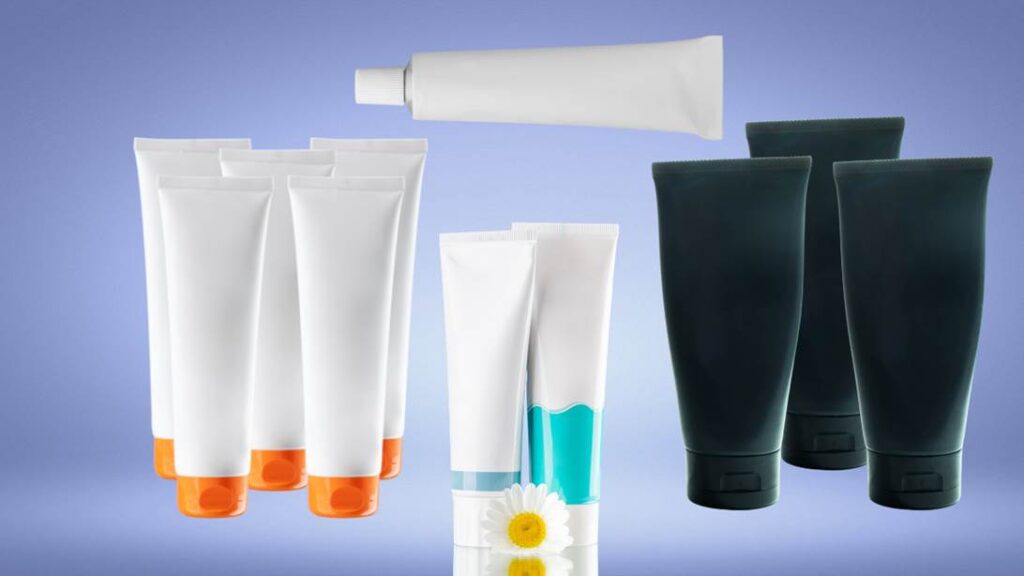
Packaging decisions should only be finalized after the formulation direction has been confirmed, because what goes inside the tube has a direct bearing on what the tube needs to be made of and how it needs to perform over time.
Here is what needs to be worked through at this stage:
Manufacturers evaluate packaging compatibility before production begins for good reason. Different toothpaste formulations interact with packaging materials differently, and compatibility testing is what confirms the tube structure, closure, and laminate will perform correctly over the product’s intended shelf life.
For example, we recently worked on a South African toothpaste production project that involved developing a premium line specifically for distribution through professional dental clinics.
Beyond just the packaging decisions, it covers how we engineered the formulation to stand out in a professional market, balanced production MOQs with realistic launch volumes, and built a scalable strategy to help the project transition smoothly from clinical sales into mainstream retail channels.
Compliance expectations differ drastically based on these rules. Confirming these FDA requirements before your formula and labels are locked in prevents costly repackaging delays or regulatory holds right before your launch. Working with a qualified oral care manufacturer can help buyers connect formula classification, labeling requirements, batch documentation, and production planning before toothpaste manufacturing begins.
Before you lock in your production plans, you must confirm these specific FDA benchmarks:
Compliance expectations differ drastically based on these rules. Confirming these FDA requirements before your formula and labels are locked in prevents costly repackaging delays or regulatory holds right before your launch.
Once your product requirements are defined, the next step is evaluating who is actually going to produce it. Not every facility that calls itself a toothpaste manufacturer has the oral care depth, production capacity, and compliance setup to support a US market launch properly. For buyers planning a regulated retail or e-commerce launch, choosing an oral care oem manufacturer with toothpaste-specific experience helps reduce risks around formula validation, packaging compatibility, compliance documentation, and repeat production quality.
When evaluating manufacturing partners, here is what to assess:
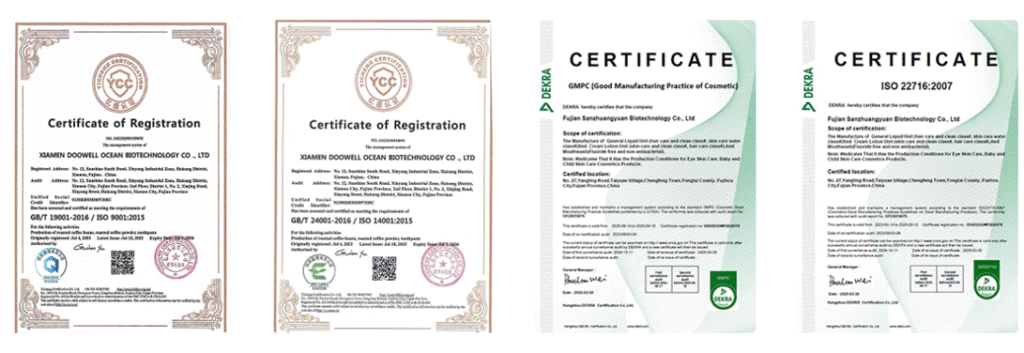
On the qualification side, the certifications worth verifying include the following:
A thorough manufacturer evaluation before you commit to a production partner is what protects your timeline and your budget from qualification issues that surface too late. Our private label toothpaste manufacturer evaluation guide covers how to run that process in full detail.
The typical starting MOQ for private label toothpaste is around 10,000 tubes at the 75 to 100g fill size. This reflects tube supplier minimums, filling line economics, and setup cost distribution across the production run.
The typical lead time for private label toothpaste is 45 to 60 days after final sample approval and packaging artwork confirmation. Packaging procurement is often the longest part of that timeline rather than the manufacturing itself.
Yes. Tube size, material, decoration method, and carton configuration can all be customized. The right starting point is confirming your formulation direction first, since packaging compatibility depends on what the formula requires.
A stock formula is the more practical starting point. It removes the development timeline and cost from your first production run and lets you validate market demand before committing to full custom development.
Oral care specialization, GMP and ISO certification, FDA facility registration for US market products, demonstrated production capacity, and a clear communication process from the first conversation are the most important things to assess.
The launch process for a private label toothpaste brand follows a clear path:
After all of these, work with a manufacturing partner who has the oral care experience and production setup to deliver on what they promise.
At ORALABX, we do not just manufacture your product. We partner with you through every stage of the process, from tailoring the initial formula to helping you stay compliant and managing global export logistics. Whether you’re launching a single hero SKU or building a complete oral care range, our team helps simplify the manufacturing process from concept to commercial production.
We help you balance commercial manufacturing realities with your actual budget so you can launch a single hero product cleanly or scale a full oral care line without over-extending.
Let us help you map out the most practical, compliant path to market for your timeline and budget.
Connect with our toothpaste manufacturing team to turn your concept into a retail-ready brand.
ORALABX manufacturing scope: ORALABX supports U.S. cosmetic oral-care manufacturing only. We do not manufacture U.S. OTC drug products, including fluoride anticavity toothpaste or therapeutic rinses. Product classification, claims and local regulatory responsibility must be confirmed before development.

Share your product type, target market, estimated volume and launch timeline. We will review the project scope and recommend the appropriate development path.
Best suited to brands, importers and distributors planning scalable commercial production.