Does mouthwash expire? You check the bottle and find a date on one brand but only a tiny symbol on another, and it is hard to tell what either one means.
Mouthwash is developed with a supported shelf life, while the way that shelf life is shown on the label depends on the target market and applicable regulatory requirements.
For a cosmetic mouthwash placed on the EU market, a product with a minimum durability of 30 months or less must show a date of minimum durability. Where minimum durability exceeds 30 months, a period-after-opening indication is generally required, except where the concept of durability after opening is not relevant.
A PAO label alone does not prove a three-year shelf life, because any target still has to be supported by the formula, packaging, storage conditions and evidence. Other countries set their own labeling rules, and a regulatory review for your target market settles the exact wording.
So, how long does mouthwash last? This guide shows how a manufacturer works it out.
Mouthwash can expire because its formulation is only expected to maintain its specified quality for a supported period under appropriate storage conditions. However, that period is not the same for every product. It depends on factors such as the formulation, packaging and evidence from the product's stability assessment.
The way this shelf life appears on the label also varies by market. Depending on the applicable requirements, a mouthwash may carry a minimum durability date or a period-after-opening (PAO) symbol. The PAO symbol, usually an open jar icon followed by a period in months or years, indicates how long the product is intended to remain suitable for use after opening.
You may find this information on the bottle, cap, base or outer packaging. A batch or lot code may also appear, but this identifies the production batch rather than necessarily indicating an expiration date.
Unopened shelf life and the recommended period of use after opening are two separate things. A PAO symbol does not, on its own, establish the product's total unopened shelf life. Similarly, there is no single expiration period that applies to all mouthwash formulations.
As mouthwash gets older, some of its physical, sensory or chemical characteristics may change. The nature and extent of these changes depend on the formulation, packaging and storage conditions. Some changes may be noticeable during ordinary use, while others require laboratory assessment to identify.
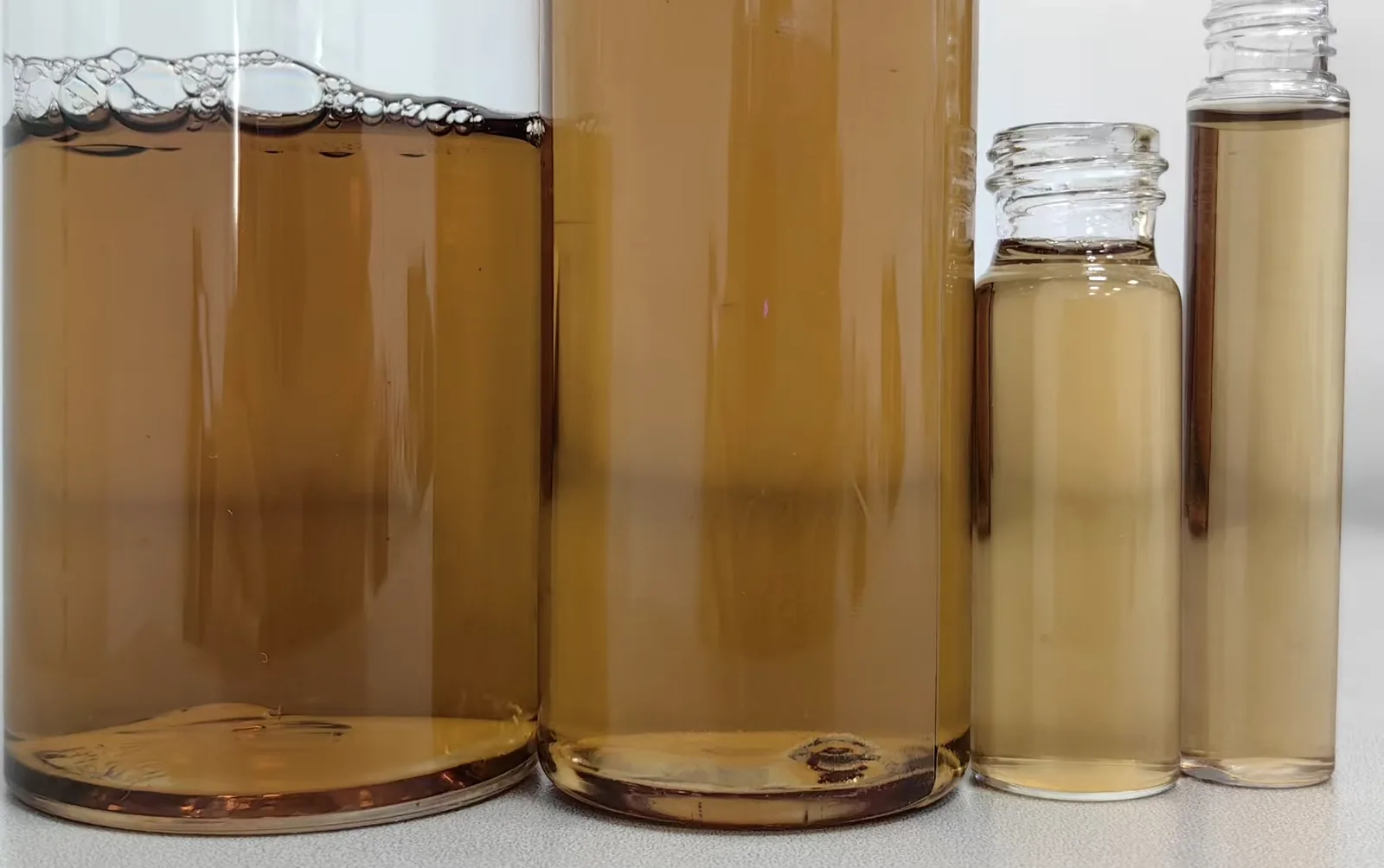
Changes in appearance are among the things that may become noticeable as mouthwash ages. Depending on the formulation, a product may develop a different color, become hazy, show sediment or exhibit some degree of separation.
However, these observations are not proof that a mouthwash has expired, that it is safe or unsafe, or that it is or is not within specification. Their significance depends on the product's original appearance and established quality specifications. For example, a change that is acceptable for one formulation may indicate a quality issue in another.
This is why manufacturers assess appearance against the product's specifications rather than relying on visual inspection alone.
Flavor and odor are also important aspects of mouthwash quality. A product may develop a noticeable difference in taste or smell during storage, particularly if its sensory characteristics are no longer consistent with the original formulation.
Since mouthwash is intended to leave a particular taste and freshness in the mouth, these characteristics form part of its overall quality assessment. Manufacturers therefore consider whether the product maintains its intended sensory profile throughout its supported shelf life.
Not all changes in mouthwash are visible or detectable through taste and smell. Certain chemical characteristics, including pH and other formulation-specific parameters, may change during storage. Microbiological quality may also need to be assessed, depending on the product's formulation and risk profile.
These characteristics call for testing, because how a mouthwash looks and smells cannot show whether it remains within its specifications. A visible change does not, by itself, show that a product has failed its quality requirements either.
Manufacturers do not assign a mouthwash shelf life based on the product category or the behavior of one ingredient. They evaluate the finished formulation under appropriate conditions and use the results to establish a shelf life supported by evidence.
This work happens within the wider mouthwash development timeline, and it starts with the formulation, the packaging selected for commercial use and the conditions under which the product will be stored.
These elements provide the basis for deciding what needs to be assessed and what evidence is required to support the proposed shelf life.
At ORALABX, the process involves defining the intended shelf-life target, reviewing the formulation and final packaging, and coordinating the necessary assessments. Supporting evidence is reviewed as it becomes available, with qualified third-party laboratory work coordinated where needed.
The findings inform the shelf-life decision for the specific formula and packaging combination.
The formulation is one of the first things manufacturers examine when establishing a mouthwash shelf life. Each ingredient contributes to the product's overall composition, and its concentration and compatibility with other ingredients can influence how the finished formula behaves during storage.
Different mouthwash formulations may require different considerations. For example, peroxide-based systems, essential oils and other functional ingredients have distinct formulation requirements.
Understanding the role of these active ingredients in mouthwash manufacturing helps guide formulation decisions, but the stability of individual ingredients does not automatically establish how well the complete mouthwash will hold up over time.
Manufacturers therefore assess the ingredients in combination, considering how they work together within the finished formula.
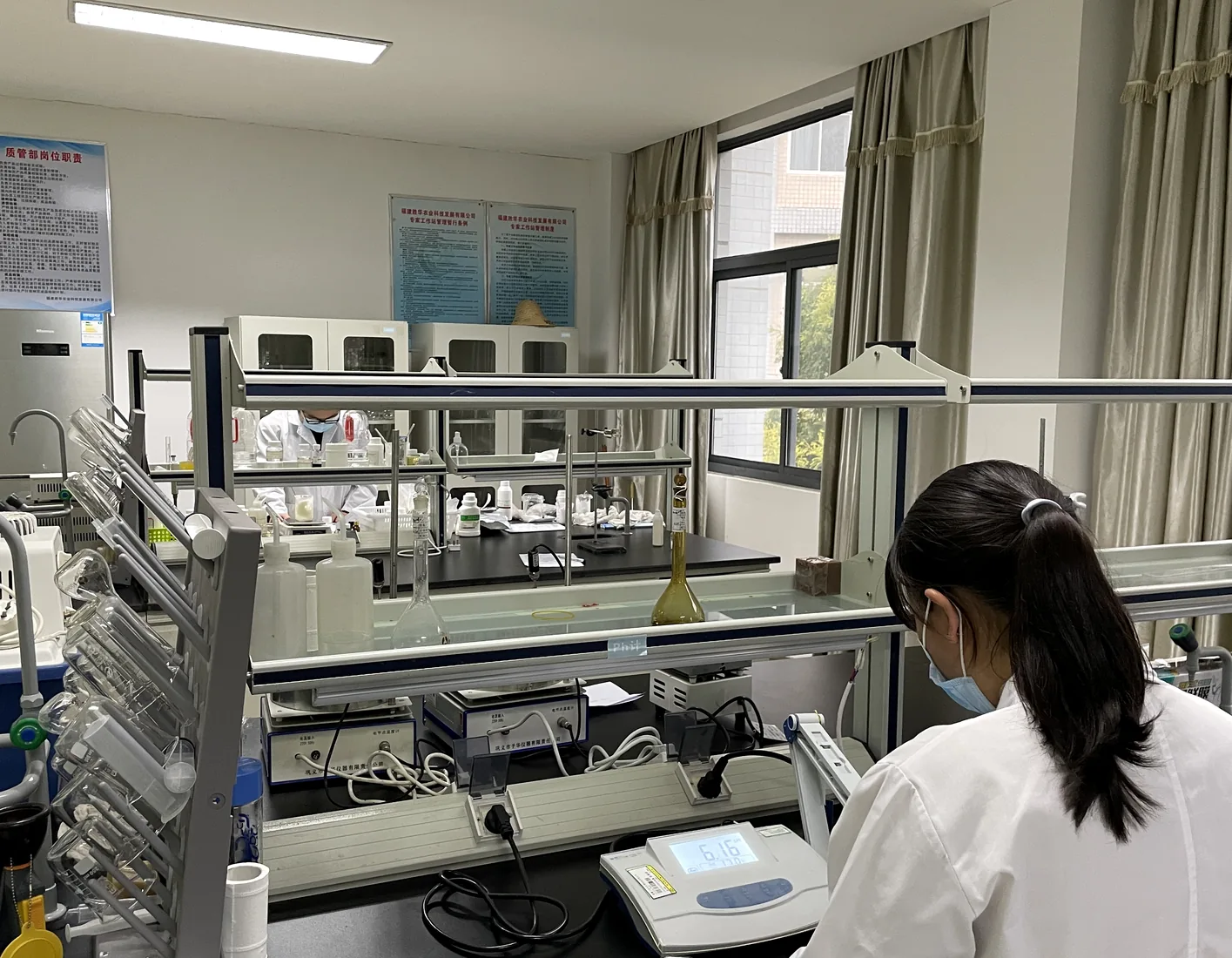
Once the formulation has been evaluated, manufacturers assess how the finished mouthwash performs during storage. Stability testing helps determine whether the product maintains its expected characteristics over the proposed shelf-life period.
This assessment may involve both real-time and accelerated stability testing. Real-time testing observes the product under defined storage conditions over an extended period, while accelerated testing uses controlled conditions to examine potential changes over a shorter timeframe.
Findings from both approaches can contribute to the shelf-life assessment, although accelerated results alone do not automatically establish how long a product will remain stable under normal storage conditions. No single test proves a shelf-life period on its own.
Depending on the formulation and assessment requirements, manufacturers may monitor changes in appearance, pH, relevant chemical parameters, microbiological quality and sensory characteristics. The specific parameters evaluated depend on the product and its established quality specifications.
Depending on the assessment, the work may be coordinated within ORALABX’s program or assigned to a qualified third-party laboratory.
Stability testing also forms part of the broader OEM mouthwash formulation process, where formulation decisions, product assessments and production requirements are considered together.
The packaging used for a mouthwash can influence how well the product maintains its quality during storage. Manufacturers therefore assess the finished formulation alongside the packaging selected for commercial use. The bottle, closure, liner and sealing system all form part of this evaluation.
The assessment considers whether the packaging remains suitable for the formulation throughout the intended storage period. Depending on the product and packaging design, this may involve examining potential interactions between the formulation and packaging materials, as well as checking for leakage, seal integrity or product loss.
The final commercial pack is particularly important because a formulation assessed in a laboratory container may behave differently in its intended packaging. Evaluating the actual packaging configuration helps establish whether it can adequately contain and protect the mouthwash throughout its supported shelf life.
After the relevant assessments, manufacturers review the available stability data to determine whether the finished mouthwash meets its established quality specifications over the proposed storage period. This review considers the formulation, final packaging, intended storage conditions and results from the assessments carried out.
Two years is the normal commercial shelf-life target for ORALABX mouthwash projects. A three-year period may be considered for specific projects when the complete formula, final packaging and intended storage conditions are supported by appropriate stability evidence. Periods beyond three years are uncommon for mouthwash and are not a standard commitment.
The proposed period must be supported by evidence relating to the specific formulation and packaging combination. A stability test report records that evidence, including the testing basis, the specifications the product is assessed against and any storage recommendations that should accompany it.
A PAO label does not itself prove a three-year shelf life, since it shows the recommended period of use after opening.
Several factors influence how long mouthwash maintains its intended quality during storage. The formulation, storage environment and packaging all play a role, although their effects can vary depending on the product.
Which ingredients are used, how much of each is used and how they interact all shape how a mouthwash holds up in storage. Compatibility between active and supporting ingredients matters here, and some ingredient systems may need extra formulation attention. Because stability belongs to the finished product, the complete formula is what gets evaluated.
Heat, light and other environmental conditions can affect certain formulations during storage, and not every mouthwash responds in the same way. For that reason, storage recommendations should rest on the product’s own characteristics and stability evidence, and following them keeps the product within the conditions considered when its shelf life was set.
The bottle, closure and sealing system protect a mouthwash from the moment it is filled, so packaging belongs in the conversation while the product is being developed and should not be treated as only an aesthetic choice. A pack that works well for one formula may not suit another, which is one more reason shelf life is specific to each product.
These factors are closely connected, so a shelf-life target needs to account for the specific formulation, packaging and storage conditions rather than treating each one in isolation.
A mouthwash’s shelf life is shaped by decisions made during development, from ingredient selection and formulation to stability assessment and packaging. When you choose a manufacturing partner, look beyond the stated date and ask whether testing of the finished formulation in its intended commercial packaging supports it, with the findings documented.
ORALABX works with brands, importers and distributors on mouthwash formulation and manufacturing projects, providing product development, testing coordination and related technical support. If you are developing a mouthwash product or exploring a commercial project, discuss your requirements with ORALABX.
Unopened mouthwash has a supported shelf life, and that period varies with the formulation, the packaging and the stability assessment behind it. The relevant information may appear as a minimum durability date or another label indication, depending on the product and target market. Check the bottle or outer packaging for the manufacturer's instructions.
The recommended period of use after opening depends on the product. Where applicable, the period-after-opening (PAO) symbol on the packaging indicates how long the mouthwash is intended to remain suitable for use once opened. Follow this indication and any additional storage instructions provided by the manufacturer. Formulation and storage conditions also influence how well a product holds up once it is open.
Once the supported period has passed, the manufacturer has not established that the product will continue to meet its specifications. Follow the label instructions and replace the product. Cloudiness, color change or sediment is not proof on its own that a mouthwash is either safe or unsafe.
Storage conditions, including exposure to heat and light, may influence the stability of certain mouthwash formulations. Manufacturers consider the intended storage conditions when assessing a product's shelf life. Keep mouthwash according to the instructions on its packaging and avoid exposing it to conditions outside those recommendations.
A three-year target may be considered for specific projects when the complete formula, final packaging, intended storage conditions and appropriate stability evidence support it. Two years is the normal commercial target for ORALABX mouthwash projects, and periods beyond three years are uncommon and not a standard commitment. A PAO label alone does not show a three-year shelf life.

Share your product type, target market, estimated volume and launch timeline. We will review the project scope and recommend the appropriate development path.
Best suited to brands, importers and distributors planning scalable commercial production.
Share your formula, claims, packaging and target market for a practical OEM project assessment.