In This Article
Mouthwash can burn because of alcohol, menthol, essential oils, and other flavor compounds. Their concentrations and interactions within the complete formulation influence how intense the rinse feels. However, burning is a sensory response, and it is not a measure of how well a mouthwash works.
Most of us know the moment. You take a mouthful of a strong mint rinse, your mouth starts to sting, and you wonder if that means it’s doing something.
As a mouthwash manufacturer, we know that no single ingredient explains how a finished rinse feels. In this article, we'll explore the ingredients that contribute to mouthwash burning, why some formulations feel harsher than others, and how different formulation factors influence the overall sensation.
If you’ve ever wondered why mouthwash burns your mouth or what makes it sting, the answer usually comes down to a handful of ingredients and how they’re balanced.
Mouthwash can produce burning, stinging, tingling and cooling sensations, and they aren’t the same thing. Burning is a lingering, hot feeling. Stinging is sharper and shorter. Tingling is a light prickling, and cooling is the fresh feeling you get from a mint rinse. Intense cooling can feel sharp to some people, which is why it’s easy to mistake it for burning.
The complete formulation also influences how these sensations are perceived. Two mouthwashes may contain similar ingredients but differ in their concentrations, proportions, and interactions. These differences can change the balance of cooling, pungency, and overall mouthfeel, resulting in noticeably different experiences when using each rinse.
Each ingredient adds to the sensation in its own way, and having one of them in the formula does not mean every product will feel the same.
| Contributor | What the user may notice | Its function or role in the formula | What a formulator may review or adjust |
|---|---|---|---|
| Alcohol (ethanol) | Sharpness, burning, or dryness in the mouth. | Acts as a solvent for flavor compounds and helps keep them dissolved. | Alcohol concentration and its interaction with other solvents and flavor ingredients. |
| Menthol and other cooling agents | Intense cooling that may feel uncomfortable at higher concentrations. | Provides the cooling effect associated with mint-flavored mouthwash. | Cooling agent selection, concentration, and overall flavor balance. |
| Essential oils and other flavor compounds | Strong mint character, pungency, or sharpness. | Provides flavor and aroma. Any additional functional role depends on the specific compound and complete formulation. | Flavor selection, individual concentrations, and compatibility with other flavor ingredients. |
| Peroxide in relevant whitening-rinse formulations | Sensory effects depend on the peroxide concentration, pH and complete formulation. | Acts as an oxidizing ingredient in whitening-rinse formulations. | Peroxide concentration, formulation pH, and compatibility with other ingredients. |
Ethanol can give a rinse a sharp or drying edge that some people feel as burning, and how strongly depends on its concentration and the rest of the formula. One 2013 study compared mouthwashes with different alcohol levels and found that participants reported pain starting earlier and feeling stronger with the higher-alcohol rinse. That finding applies to the rinses tested, not to a fixed concentration where every mouthwash starts to burn.
Having alcohol in the formula is not the same as having a lot of it. Two rinses can both list ethanol and still feel very different, because the amount used and the flavor system around it change how sharp the rinse comes across. Alcohol concentration is therefore one factor formulators consider when evaluating a mouthwash's overall mouthfeel.
Menthol gives mint rinses their cooling effect, and how strong it feels depends partly on how much is used and what surrounds it in the flavor system. A study in Physiology & Behavior compared two menthol concentrations and found that the higher one produced both cooling and irritation.
A stronger cooling effect doesn’t always mean a more comfortable rinse, and cooling and burning remain different responses. People also differ in how they react to the same rinse. A cooling level one person finds refreshing may feel sharp to another.
Menthol isn’t the only ingredient behind a strong mint rinse. Peppermint oil, eucalyptol and methyl salicylate each add their own aromatic, cooling or pungent character. A strong mint profile can feel intense because these components act together, not because of any single one. That’s why a formulator looks at the whole flavor blend instead of each ingredient alone.
A rinse can contain solvents, surfactants, preservatives and flavor solubilizers, and each can shape how it feels. Whether one of them adds to the sensation depends on the specific material, how much is used, and how it works with the rest of the formula. That’s why no single ingredient on a label tells you how a finished mouthwash will feel.
Whitening rinses may also contain peroxide, which is one more ingredient a formulator weighs when balancing how the finished rinse feels.
A mouthwash's sensory intensity depends on more than the presence of individual ingredients. Their concentrations and proportions, as well as how they work together in the finished formula, influence the overall experience.
The same ingredient can feel different depending on what surrounds it. The same amount of menthol, for example, may come across differently when the flavor strength, the other flavor compounds and the mouthfeel around it change.
A 2024 randomized clinical trial on how people perceive fluoride mouthwashes found more reported sensitivity with the one rinse that contained both alcohol and essential oils. It did not find a significant difference in reported burning, and because the ingredients came as one complete formula, it couldn’t show which one was responsible.
This is why formulators evaluate the complete formula rather than assuming that changing one ingredient will automatically make a mouthwash milder.
A milder rinse doesn’t have to lose its intended flavor or freshness. A formulator should not assume that removing alcohol or reducing menthol alone will make every mouthwash feel milder. They need to consider how the ingredients work together and how changes affect the finished product. The process generally involves three steps:
Before making changes, a formulator reviews the ingredient composition, including alcohol and other solvents, menthol, flavor compounds, and their concentrations. This helps identify possible contributors to the burning sensation and understand how changing one ingredient might affect the rest of the formula. Rather than automatically removing an ingredient, a formulator determines which adjustments are likely to improve the overall balance.
Once the potential contributors have been identified, a formulator can consider adjustments to the flavor blend, cooling intensity, and alcohol level. The aim is not simply to reduce every ingredient but to achieve a more balanced profile.
An alcohol-free mouthwash formulation may be one option when reducing ethanol is a priority, although removing alcohol alone does not guarantee a milder rinse. Menthol, flavor compounds, and other ingredients can still influence the mouthwash burning sensation.
The desired sensory profile also influences ingredient selection and proportions when developing a custom mouthwash formulation. This allows the formula to be built around its intended flavor, cooling effect, and overall mouthfeel rather than relying on a one-size-fits-all approach.
Changing the flavor system can also affect how well its components stay dissolved in the finished rinse.
After adjustments are made, comparing trial versions helps determine whether they have improved the overall sensory balance. A formulator can assess differences in cooling, flavor intensity, pungency, mouthfeel, and aftertaste to see whether the revised rinse feels milder while retaining its intended characteristics.
This comparison is also important when reformulating an existing mouthwash, since changes need to be evaluated against the original product rather than considered in isolation.
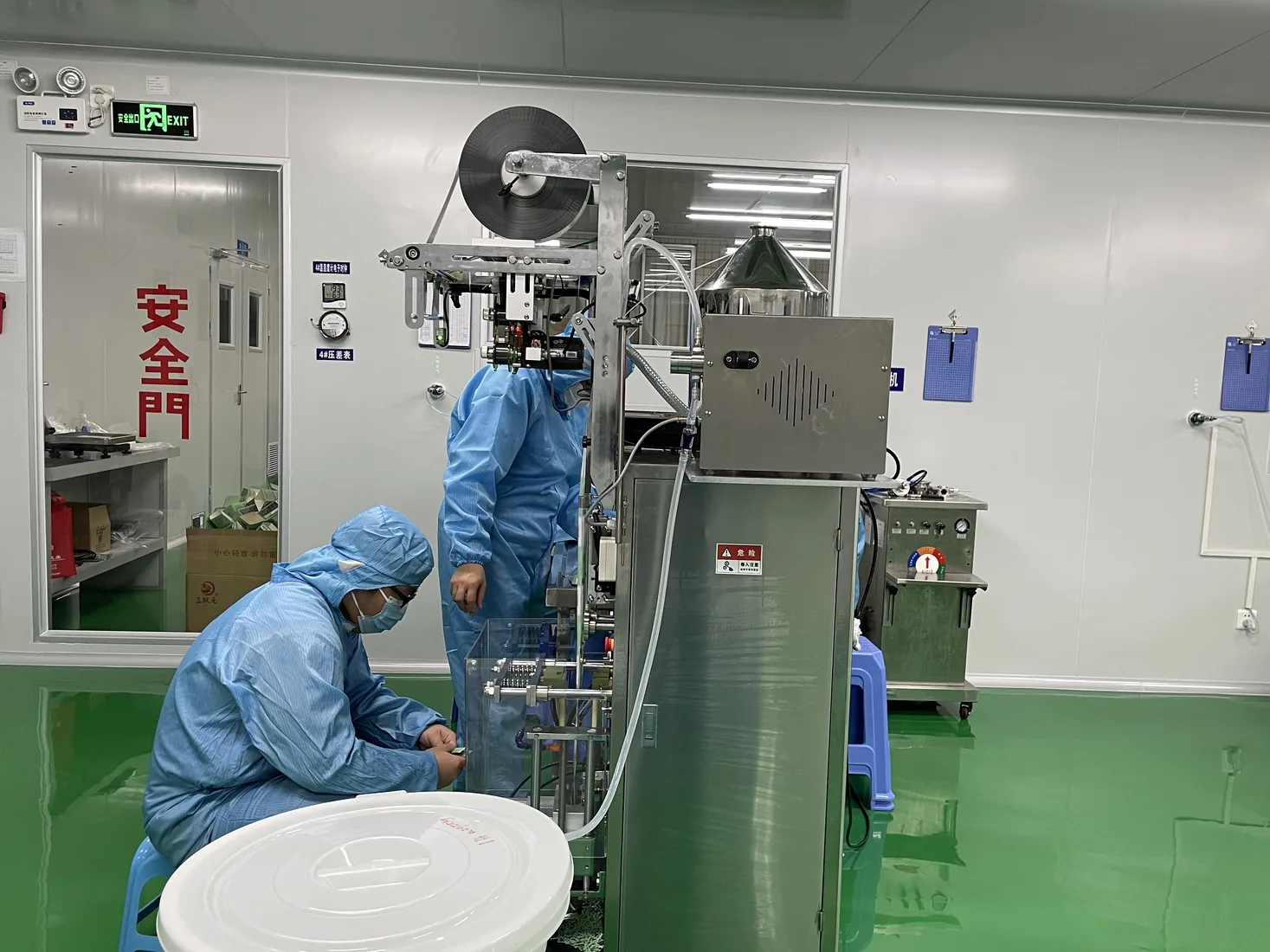
A mouthwash project, or a revision of one you already sell, goes more smoothly when the brief describes the feel you want. It helps to share the flavor you prefer, how much cooling you want, the mouthfeel you’re aiming for, and how much pungency is acceptable.
Say whether the product should be alcohol-free, and send the existing formula if you’re revising one. That lets a formulator build or adjust the rinse around your target.
If you have a mouthwash formula or commercial project in mind, our mouthwash manufacturing team is happy to talk it through.
A burning sensation does not indicate that a mouthwash is cleaning more effectively or providing better oral care. It is a sensory response to the ingredients in the formulation, not a measure of its effectiveness.
Removing alcohol does not automatically eliminate burning. Ingredients such as menthol, essential oils, and other flavor compounds can still contribute to the sensation, depending on their concentrations and how they interact in the formula.
It can. Menthol gives mint rinses their cooling effect, and at higher levels that cooling can feel intense enough that some people find it sharp or uncomfortable. That’s why formulators balance menthol against the rest of the flavor system.
A more intense mint flavor may feel sharper or more pungent, depending on the compounds used and their proportions. However, stronger flavor does not automatically mean greater irritation, since the complete formulation also influences the experience. The overall flavor intensity and the amount of each flavor compound both shape the finished profile.

Share your product type, target market, estimated volume and launch timeline. We will review the project scope and recommend the appropriate development path.
Best suited to brands, importers and distributors planning scalable commercial production.
Share your formula, claims, packaging and target market for a practical OEM project assessment.