In This Article
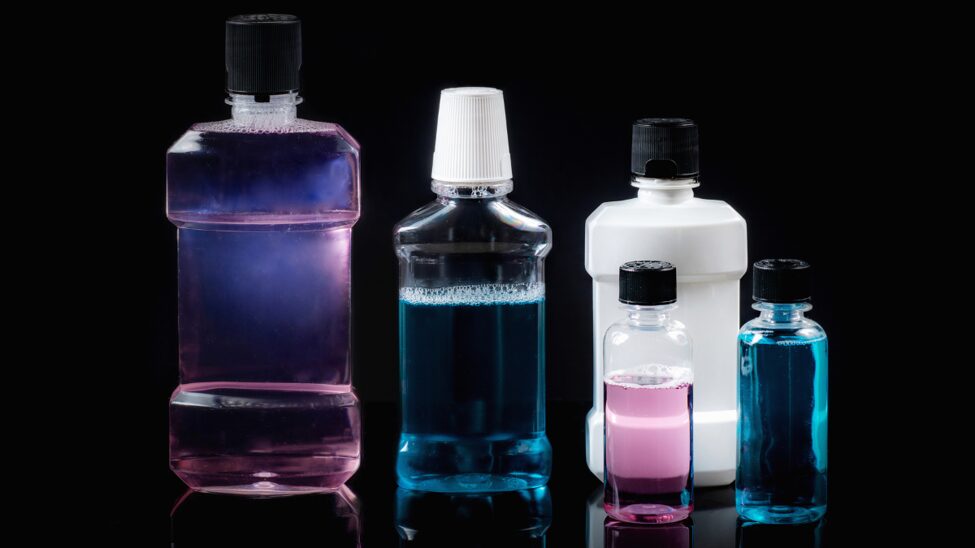
In private label manufacturing, we can usually tell how smoothly a project will go within the first five minutes of conversation. It comes down to how prepared the buyer is before they even reach out.
Brands that move through development smoothly have already mapped out their formula direction, packaging preferences, target market, and volume expectations. On the flip side, the brands that face major delays almost always hit the exact same roadblocks.
This article walks through the mistakes manufacturers see most often before a first private label mouthwash order, and what you can do to avoid them.
First orders rarely go wrong because a buyer does not understand manufacturing. They go wrong because decisions happen in the wrong sequence. Important project details remain open even while the manufacturer is being asked to quote prices or develop samples.
Formula type, packaging format, order quantity, target market, and intended claims all connect to each other. Every single one of these factors affects how a project gets planned on our end. When one detail changes later, earlier decisions often have to be completely revisited.
For example, a confirmed formula might need a full review if the packaging changes. A price quotation that reflects one order volume will not hold if that volume shifts significantly before production.
None of this is unusual for a first order when launching a mouthwash brand. But it does mean that the earlier these details are locked in, the less rework ends up happening later.
The first conversation with a buyer often tells us where a mouthwash project may run into problems later.
Some of the common signals we notice include:
This is why we recommend having an initial project conversation before requesting samples or trying to move straight into an order. It gives us a chance to review your product direction, identify decisions that still need to be made, and put those decisions in the right sequence before development begins.
Some buyers skip this stage because they are ready to get a sample or price as quickly as possible. The problem is that unresolved decisions do not disappear once the project starts. They usually show up later as revisions, quotation changes, or production delays. A qualified mouthwash contract manufacturer can help clarify these details earlier.
The mistakes below are some of the most common ways we see that happen on a first mouthwash order.
The first major decision in any private label mouthwash project is choosing between an existing stock formula and custom formula development. The right option depends on what your product actually needs to achieve, not on which route sounds more unique.
A stock formula is already developed, stability-validated, and proven in production. For a first launch, this reduces development risk and allows you to move into sampling faster. It also gives you more room to focus on packaging, pricing, and getting the product into the market.
Custom development involves laboratory work, formulation rounds, and full validation. A Full custom mouthwash formulation supplier is more suitable when stock formulas cannot meet specific ingredient, sensory, or positioning requirements.
The mistake is assuming custom automatically means better. If a production-proven stock formula already fits your product direction, it may be the stronger commercial decision for entering the market faster.
Once you have sales data and clearer customer feedback, you can decide whether custom development adds enough value for your next phase.
Vague quotation requests happen often because buyers want a price number before they commit to anything. However, if you reach out without clear details, you will get a typical mouthwash cost estimation which is general and not something you can actually plan a business around.
To prepare a meaningful quotation, a manufacturer needs to understand what is being produced. Formula type, packaging format, estimated order quantity, target market, and customization requirements all feed into material costs, packaging procurement, and production planning.
For example, a standard 500 ml bottle, a premium PET bottle with a measuring cap, and a 15 ml travel sachet may all contain mouthwash, but they require different packaging supply chains, production setups, and MOQ requirements. Naturally, the quotations for these three products will look very different.
The most productive first conversations happen when buyers bring a clear project brief, even if some minor details are still being finalized. Reaching out early is fine, but you need those baseline specifications to get an accurate, actionable quotation from the production team.
A lot of first-time buyers think that once the formula is approved, the project is ready for production. In reality, formula approval is only one part of manufacturing readiness.
Before a filling slot can realistically be reserved, the required packaging and production materials need to be confirmed and available. Bottles, caps, labels, and other components may follow different supplier lead times, so one missing material can prevent the production run from moving forward even when the formula is ready.
Once all materials are confirmed for the project, the manufacturer can schedule the order into the production calendar based on the final volume and available filling capacity. This is why packaging arrival does not automatically mean the line will run that same day.
Your order volume also affects production planning. We often see delays when buyers have not yet settled the numbers behind their mouthwash MOQ, because the final quantity helps determine the filling setup and production schedule. A bulk mouthwash manufacturer can help align larger-volume orders with filling capacity and cost planning.
The key point is that production scheduling follows manufacturing readiness, not formula approval alone. If one part of the product system is still outstanding, the filling run cannot move forward as planned.

Packaging is one of the things buyers most consistently underestimate in terms of how early it needs to be discussed. Ideally, your packaging direction should already be part of the project while formula development is still in progress, rather than waiting until after sample approval.
The reason is that bottles, caps, labels, and decoration components may come from separate suppliers. Each supplier has its own lead times and minimum order requirements, so the manufacturer needs time to evaluate sourcing and production implications.
Starting the packaging conversation during formula development allows bottle sourcing, decoration planning, supplier lead-time evaluation, and production planning to move forward alongside the sample process. By the time the formula is approved, the project is not only beginning to ask which bottle or closure will be used.
Custom packaging makes this even more important. Custom bottle formats, specialty closures, and printed packaging involve more sourcing steps and longer lead times than stock options. Waiting until sample approval to start these decisions can extend the overall project timeline even when the formula is ready.
Before you commit to a look, you should check how different mouthwash packaging formats affect production timelines so you do not accidentally delay your launch.
Formula and packaging are not two independent decisions you can make at different times and combine at the end. They need to be considered together during development.
A mouthwash formula stays in contact with the bottle, closure, and other packaging components throughout its shelf life. This means the packaging materials need to be compatible with the formula before commercial production begins.
For example, certain flavour systems, essential oils, or active ingredients may need compatibility checks with the bottle material, liner, or closure. The manufacturer needs to evaluate whether these components can affect the formula or packaging performance over time.
This is why choosing a bottle based only on appearance before the formula direction is confirmed can create problems later. If the selected packaging is not suitable for the formula, either the packaging or parts of the formulation may need to be reviewed before production can move forward.
Discuss your packaging direction while the formula is still being developed. That gives the manufacturer a chance to evaluate both as one product system rather than discovering compatibility issues after your packaging choice has already been finalized.
Target market and intended product claims are critical inputs that shape the formula, the label, the compliance requirements, and the documentation needed for the finished product. When they come in late, decisions made without them often have to be reviewed.
A mouthwash that claims to whiten teeth has different formulation considerations than one that claims to freshen breath. Likewise, a product going into the US market has different compliance requirements than one going into a market with different regulatory standards.
These are not small details. They affect which ingredients can be used, how the label must be structured, and what documentation needs to be in place before the product can legally be sold in your target market.
If you are planning a launch in the United States, you need to understand how FDA registration and classification works for mouthwash brands before finalizing your brief, since the compliance side of US market entry is highly specific.
Pulling all of the above together, here is what we find makes first conversations genuinely useful rather than a round of back and forth collecting basic information.
Before your first conversation, be ready to cover the following:
A clear brief does not mean every decision needs to be finalized before your first manufacturing conversation. If some details are still open, separate what you have already confirmed from what is still under
For example, you may have confirmed your target market and formula direction but still be comparing bottle formats or deciding on an order quantity. Tell the manufacturer that clearly. It allows the first conversation to focus on the remaining decisions and how they affect the project, rather than spending time going back over specifications you have already finalized.
The goal is to give the manufacturer a clear picture of where your project currently stands. Once your brief is ready, our private label mouthwash manufacturer evaluation guide can also help you assess manufacturing partners as you compare your options.
At minimum, have your formula direction, packaging preference, estimated order quantity, target market, and intended product claims ready. The more specific your brief, the more accurate and useful the quotation we can provide.
Yes, but the new packaging may need another compatibility review before commercial production. Changing the bottle material, closure system, or liner can affect how the formula and packaging perform together over time. Your manufacturer may therefore need to validate the new packaging before approving the product for production.
The typical starting MOQ for private label mouthwash is around 10,000 bottles. Travel sachets and single-use cups carry a higher MOQ of around 100,000 units because the production setup for those formats is more involved.
You do not need a final decision, but you should have a general direction. Stock packaging keeps timelines and costs more manageable for a first order. Custom packaging needs to be confirmed earlier because of the additional lead time and sourcing involved.
Yes. Sampling and packaging decisions can run in parallel to a point. The packaging direction needs to be confirmed before production is scheduled though, since packaging procurement is part of the production timeline and cannot start without it.
Because it affects formulation direction, labeling requirements, compliance documentation, and in some cases which ingredients can be used. We need this information early to factor it into development rather than having to revisit decisions that were made without it.
Late packaging decisions, slow artwork approvals, unclear project specifications, and changes to the formula or order quantity after development has already begun are the most common causes. Most delays come from the approval and decision-making side rather than the production process itself.
The brands that move through their first private label mouthwash order without major delays are not necessarily the most experienced ones. They are simply the ones who came into the process with a clear plan.
By locking in your formula direction, packaging formats, and target market before you reach out, you eliminate the guesswork that leads to costly reworks and timeline shifts.
ORALABX can help you review your specifications, verify your compliance needs, and ensure your project is built on a solid foundation before development ever begins.
If you want to ensure a seamless launch, contact ORALABX to get a custom quote for your mouthwash brand today. We will go through your project brief together, nail down your production timeline, and map out a direct path to your first successful production run.

Share your product type, target market, estimated volume and launch timeline. We will review the project scope and recommend the appropriate development path.
Best suited to brands, importers and distributors planning scalable commercial production.