In This Article
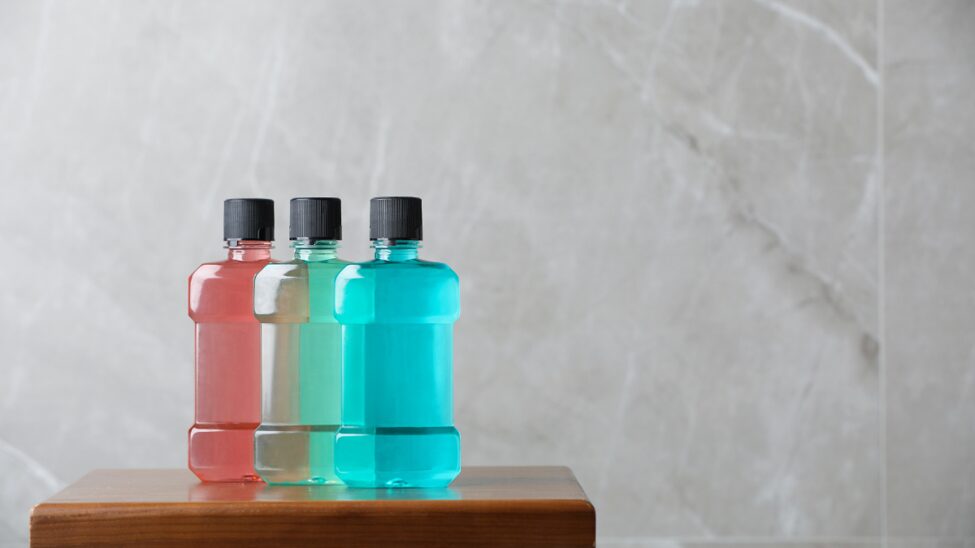
Many brands choose to launch a natural or SLS-free mouthwash to meet growing demand for clean oral care. The first thing to understand, however, is that natural is not one fixed mouthwash formula. What it means for your product depends on the ingredients you want to avoid, the claims you intend to make, and the market where you plan to sell.
Manufacturers need these details before determining whether the formula you have in mind is technically achievable. A restriction that seems simple on its own may affect preservation, stability, flavour, or how other ingredients work together in the finished product.
This guide explains how natural and SLS-free mouthwash development works on the manufacturing side, so you can define a realistic product direction before requesting samples.
Terms like natural, SLS-free, mild, and clean label can describe very different product directions. Buyers often group them together, but from a manufacturing perspective, they do not point to one standard mouthwash formula.
Natural mouthwash is better understood as a product positioning direction. One brand may want to avoid artificial colours and flavours, while another may prioritize botanical extracts or restrict a wider group of synthetic ingredients. What qualifies as natural for the project can also depend on target market expectations and the regulatory requirements the product needs to meet.
SLS-free mouthwash is more specific because it excludes sodium lauryl sulfate from the formula. However, SLS-free does not automatically mean alcohol-free. SLS and alcohol are separate formulation considerations, so a mouthwash can exclude SLS and still contain alcohol.
If alcohol is one of the ingredients you want to avoid, alcohol-free mouthwash formulation has its own development considerations. An alcohol free mouthwash manufacturer can help evaluate how this requirement affects preservation, flavour, and sensory balance.
This is why the manufacturer needs to understand how you want to position the product rather than work from the word “natural” alone. Your ingredient restrictions, intended claims, and target market give the formulator a clearer framework for deciding what the formula needs to achieve.
When a buyer asks for a natural or clean-label mouthwash, some of the standard formulation tools a manufacturer would normally use may no longer fit the brief. That forces a different set of decisions during development.
Once ingredient restrictions are set, the remaining system still has to deliver on several fronts at once, including:
Each of these depends on the others, which is why a single ingredient change rarely stays isolated. Removing or restricting one component may require adjustments elsewhere in the formula to keep the finished product commercially viable.
Let’s take an SLS-free formulation as an example. If SLS is removed from an existing formula, the manufacturer first needs to look at the role it was playing in that particular formulation. Where essential oils or flavour oils are involved, removing a surfactant may affect how evenly those ingredients stay dispersed.
The solution is not always to replace SLS with one new ingredient. The manufacturer may need to adjust the solubilization system, flavour dispersion, sensory profile, or wider formulation balance to keep the mouthwash uniform and performing as intended.
This is why an SLS-free request needs to be evaluated against the complete formula. You can specify that SLS should be excluded, but the formulator still needs to determine what other adjustments are required to make the finished product work.
The trade-offs become more noticeable when several requirements are combined. For example, you may want an alcohol-free, SLS-free, artificial-colour-free mouthwash with botanical extracts, a mild flavour, and a crystal-clear appearance. Each request may be achievable on its own, but together they create a much narrower formulation brief.
In some cases, not every requirement can be optimized to the same degree, so the formulator needs to understand which ones matter most to your product positioning. A brand that prioritizes a higher botanical loading may need to accept slight colour variation, while another may choose a lower botanical load to maintain a clearer appearance.
This is why it helps to rank your requirements before development starts. Be clear about which features are essential to the product and where you are open to adjustment. The manufacturer can then evaluate trade-offs around those priorities instead of trying to maximize every requirement at once.
It is also part of why we lay out the difference between a stock mouthwash formula and a custom one early in the conversation, since the amount of formulation work required can change significantly depending on which route fits your brief. A full custom mouthwash formulation supplier is usually more suitable when natural, SLS-free, alcohol-free, or botanical requirements need to be balanced together.
Positioning a mouthwash as natural or clean label does not mean the product should be preservative-free. Mouthwash is a water-based product, so microbial control and long-term stability still have to be considered regardless of the product positioning.
The difference is that your natural or clean-label brief may restrict which preservation systems the manufacturer can use. The selected system still needs to account for:
This is why simply removing a conventional preservative is not enough. The manufacturer still needs a preservation strategy that works with the complete formula and can be validated for commercial production.
A preservation system that works in one version of a formula may need adjustment if you change the flavour system or add a botanical extract. Preservation is evaluated against the complete formulation because changes elsewhere can affect how the system performs.
This also means two natural mouthwashes with very similar ingredient lists may still require different preservation strategies. Differences in ingredient concentrations, pH, flavour systems, botanical extracts, or the way the complete formula is balanced can change what the preservation system needs to do.
So, another product’s ingredient list should not be treated as a preservation blueprint for your own formula. The manufacturer still needs to evaluate and validate the preservation system against your finished formulation before commercial production.
That validation work also needs to be considered when planning your project schedule, especially if formula adjustments lead to further development or testing. Our guide to the mouthwash development timeline explains how formulation work fits into the wider sampling and production schedule.
A natural mouthwash still has to look right, taste acceptable, and remain uniform on the shelf. None of that changes because the ingredient list is shorter or more restricted.
The challenge is that many of the ingredients used to shape flavour and sensory experience also have to work within the physical formula. Essential oils and flavour compounds, for example, may not disperse easily in a water-based mouthwash.
The manufacturer therefore has to build a solubilization system that keeps these ingredients evenly distributed. Otherwise, the product may become cloudy, separate, or look different from bottle to bottle.
The choices made at this stage also influence how the mouthwash feels during use. This becomes particularly important when a brand wants its natural or clean-label product to have a milder sensory profile. Reducing alcohol or reformulating certain flavour and active systems may change several aspects of the finished product, including:
The manufacturer has to weigh the positioning you want against what the formula can stably deliver across each of these areas.
A commercial formulation has to balance flavour acceptance, visual appearance, shelf stability, and manufacturing consistency at the same time. When one part of the sensory or flavour system changes, the manufacturer has to evaluate how that adjustment affects the rest of the formula.
The point here is that natural or mild positioning introduces its own formulation decisions, and those decisions need proper evaluation before the product moves into production.
Your intended product claims and target market should be defined before formulation begins. The manufacturer needs this information to understand what the mouthwash is being developed to do and which requirements need to be considered from the start.
For example, a mouthwash positioned mainly for fresh breath may follow a different formulation direction from one intended to make claims related to plaque or gingivitis. These claims can influence ingredient selection and the wider development route, so they should not be added after the formula has already been developed.
Changing the claim direction later may mean reviewing the formula, label strategy, and regulatory planning again. The same applies to your target market, since the product needs to be developed with the requirements of the intended market in mind.
This is why claim direction and target market belong in the first formulation conversation. Tell the manufacturer where you plan to sell the product and what you want to say about it before development starts. That gives the formulator a clearer framework for building and evaluating the formula.
If you plan to sell in the US, you can learn more in our guide to FDA registration for mouthwash products. It explains how product classification and regulatory requirements may apply to your brand.
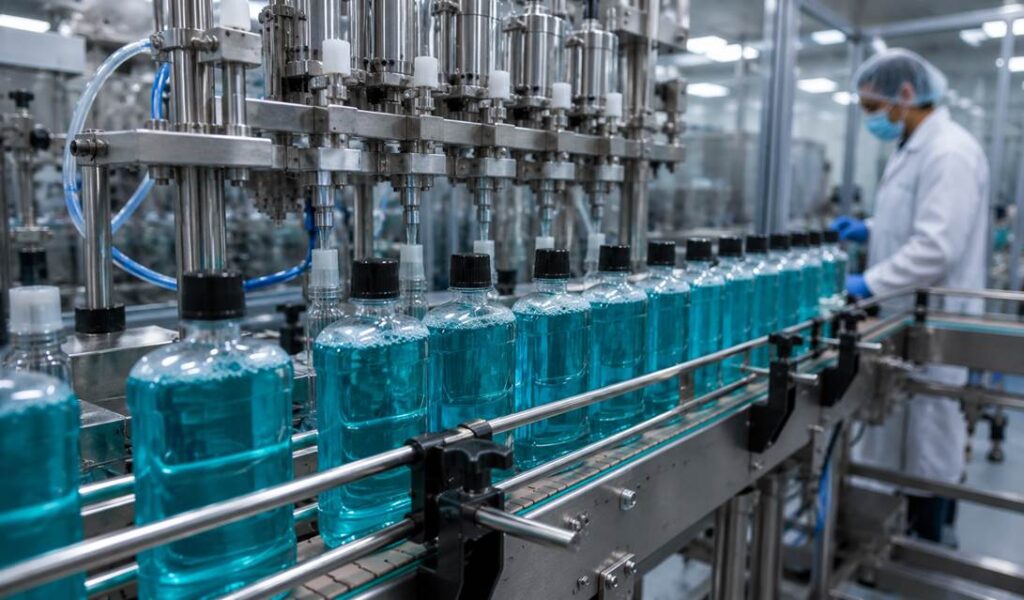
Once you have defined what natural or SLS-free means for your product, the next step is finding out whether a manufacturer can actually work with those requirements. A qualified mouthwash contract manufacturer should be able to explain how ingredient restrictions affect formula development before samples are requested.
This is an important part of screening a private label mouthwash manufacturer before requesting samples or moving into detailed quotation discussions. Producing standard mouthwash does not automatically mean a factory has experience working with restricted ingredient briefs or natural formulation systems.
Some useful questions to ask include:
The answers to these questions can tell you a lot about how the manufacturer approaches formulation. You are not only checking whether they can produce mouthwash. You are trying to understand whether they can develop a stable formula around the specific restrictions and product direction you have defined.
It refers to a formula built around plant-derived actives and naturally sourced ingredients in place of synthetic ones, though the exact composition depends on which ingredients are excluded and how the product is positioned.
No. SLS-free removes the foaming surfactant sodium lauryl sulfate. Alcohol-free removes a completely separate ingredient. A product can be one, both, or neither.
Yes, provided the manufacturer has formulation experience with restricted ingredient systems and can validate preservation and stability for the finished product.
Because removing conventional ingredients does not remove the risk of microbial growth. The preservation system still has to be validated against the complete formula and its storage conditions.
Prototype samples usually take 5 to 7 working days, formula development runs 7 to 14 working days, and the full project typically spans 35 to 50 days from start to finish.
Ask about their experience with ingredient restrictions, their preservation and stability process, solubilization expertise, and how they support the claims you intend to make.
Before contacting a manufacturer, you do not need to have the formula figured out yourself. What you should have is a clear product direction that gives the formulator enough information to evaluate what is technically achievable.
Prepare the following:
You can bring this information to the first development conversation even if some details are still open. It gives the manufacturer a practical starting point for evaluating formulation feasibility, identifying possible trade-offs, and telling you what needs to be decided before prototype development begins.
Natural mouthwash manufacturing involves more than removing a few ingredients from a standard formula. Each restriction can affect solubilization, preservation, stability, and sensory performance, so the formula has to work as a complete system.
At ORALABX, we help you evaluate your ingredient requirements, formulation feasibility, and production needs before prototype development begins. This allows us to identify potential formulation challenges early and build a development route around the product you actually want to launch.
Ready to develop a natural or SLS-free mouthwash for your brand? Talk to our mouthwash manufacturing team about your product requirements and start planning your formula.

Share your product type, target market, estimated volume and launch timeline. We will review the project scope and recommend the appropriate development path.
Best suited to brands, importers and distributors planning scalable commercial production.