OEM & Manufacturing

16 min read
February 04, 2026
Home > Blog > OEM & Manufacturing > Toothpaste Manufacturing: Batch Scale, RDA Abrasion & Whitening Percentages
OEM & Manufacturing
16 min read
February 04, 2026

Your lab sample works perfectly. Smooth texture, visible whitening, passes sensory tests. Then the first commercial batch arrives. It is first a gritty paste, and the whitening power could use a boost. Then it’s relative dentin abrasivity, also known as the RDA level, exceeds retailer thresholds. For context, RDA is a standard measure of how abrasive a toothpaste is on tooth dentin. A high RDA can cause increased enamel wear and tooth sensitivity. Too low; a limited cleaning effectiveness.
This batch is just no good. Now you’re facing reformulation costs, delayed launches, and potentially scrapped inventory worth tens of thousands of dollars.
For B2B buyers approving toothpaste manufacturing for private labels, retail, or hotel amenities, understanding constraints like batch scale, RDA abrasion, and whitening percentages is financial risk management. Incorrect RDA triggers retailer rejections. Poor scaling causes consumer complaints. Unstable whitening leads to marketplace suspensions.
This guide covers standard toothpaste, whitening formulations, sensitive variants, and travel formats. And beyond that, it explains how toothpaste manufacturing changes at a commercial scale, what RDA means for approval, and why whitening percentages don’t work the way marketing thinks they do.
In This Article
In toothpaste manufacturing, the test sample differs greatly from the final toothpaste batch scale.
Lab batches (1-10kg) mix slowly, allowing proper ingredient hydration and even abrasive dispersion. Commercial batches (500-2,000kg) use high-speed mixers that generate heat and require different timing. Different mixing conditions change everything.
Accurate scaling of toothpaste ensures that all constraints used in an approved lab sample work even with larger batches. The formula remains steady, and all ingredients work as effectively and actively as when tested. The packaging is also part of it; it has to be adjusted to fit the new, large commercial production.
Now, suppose some steps in the scaling process are skipped or not considered, one of the following may occur:
The cost impact is that reformulation after scale-up failure costs $2,000-$5,000 plus a 3-6 week delay. If you’ve committed to MOQ, losses reach $15,000-$50,000 from scrapped inventory.
The OEM takeaway here is that lab success doesn’t guarantee factory stability. And so, every buyer must verify their OEM-produced pilot batches using commercial equipment. Request an OEM cost and batch breakdown, including pilot testing to avoid surprises.
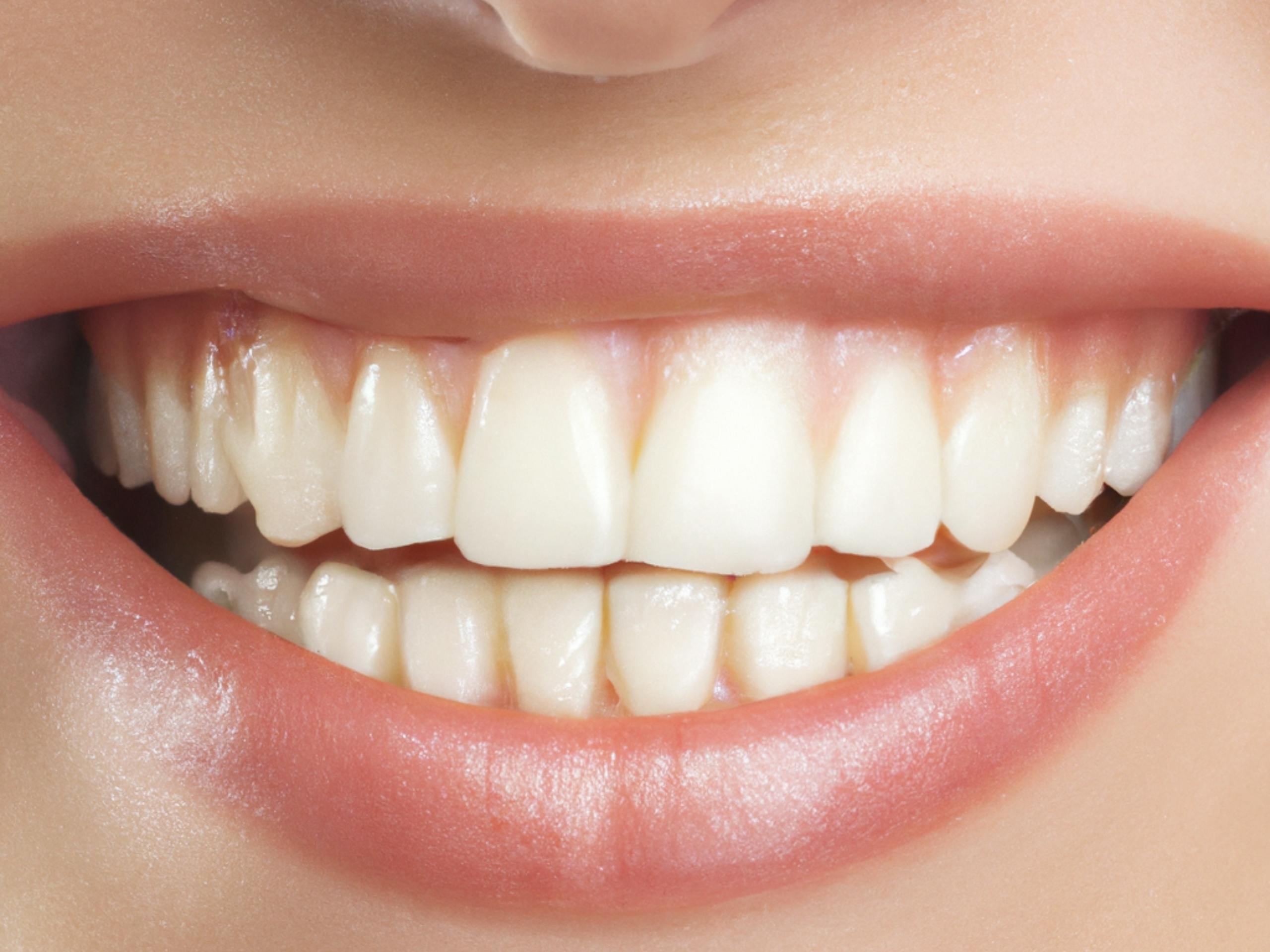
An RDA abrasion toothpaste with a higher number means aggressive cleaning but a higher risk of enamel wear. A lower one just means the abrasion isn’t as aggressive.
RDA (Relative Dentin Abrasivity) quantifies how much tooth structure your toothpaste removes. And buyers should care because using the wrong RDA level in toothpaste could mean damage or ineffectiveness.
Major retailers have internal RDA thresholds for shelf placement. However, with online shopping, reviews tell it all. When Amazon sees “rough toothpaste” complaints, those kill listing rankings below 3.5 stars. Hotels avoid high-RDA products because these also generate more guest complaints.
Most dentists in the EU recommend the RDA not exceed 250 for daily use. However, the EU law does not set RDA limits; it only sets ingredient safety standards. When we cross the border into the US, the FDA also has no limits on RDA levels. But the American Dental Association (ADA) also sticks to the 250 threshold.
Exceeding thresholds risks market denial or recalls.
| Toothpaste Category | Typical RDA Range | Abrasion Level | Primary Use Case |
| Sensitive | 30–70 | Very low | Daily use for sensitive teeth |
| Daily Care | 70–120 | Moderate | Everyday cleaning |
| Whitening | 100–180 | High | Surface stain removal |
| Aggressive Whitening | 180–250 | Very high | Short-term stain lifting |
Toothpaste formulation consists of varying abrasive systems, and here is a breakdown:
Hydrated silica has an RDA of 30-200, depending on particle size. Its abrasion risk is high, but the cleaning is excellent. Calcium carbonate lies in the middle, with an RDA of 100-180 and a slightly lower abrasion risk with daily use. Finally, there is Dicalcium phosphate. This one has an RDA of 70-120 and the lowest abrasion risk of the three. Its cleaning efficiency is the lowest here.
Fine particles (2-10 microns) clean gently, low RDA. Coarse particles (15-40 microns) clean aggressively and feel rough. Here, a common scale-up problem is that commercial mixing can break down particles. 15-micron particles in the lab break to 30% at 8-10 microns in production, changing RDA and texture.
When it comes to batch-to-batch consistency, poor particle control causes RDA drift (Batch 1: RDA 110; Batch 2: RDA 135). Retailers audit consistency; variability triggers delisting. The following table shows how different abrasive types compare:
| Abrasive Type | Typical RDA Range | Cleaning Efficiency | Cost | Scale-Up Risk |
| Hydrated Silica (Premium) | 30–120 | Moderate–High | $3–8/kg | Low |
| Calcium Carbonate | 100–180 | High | $0.80–2/kg | High |
| Dicalcium Phosphate | 70–120 | Moderate | $2–4/kg | Medium |
| Hybrid Systems | 80–150 | Medium–High | Medium–High | Medium–High |
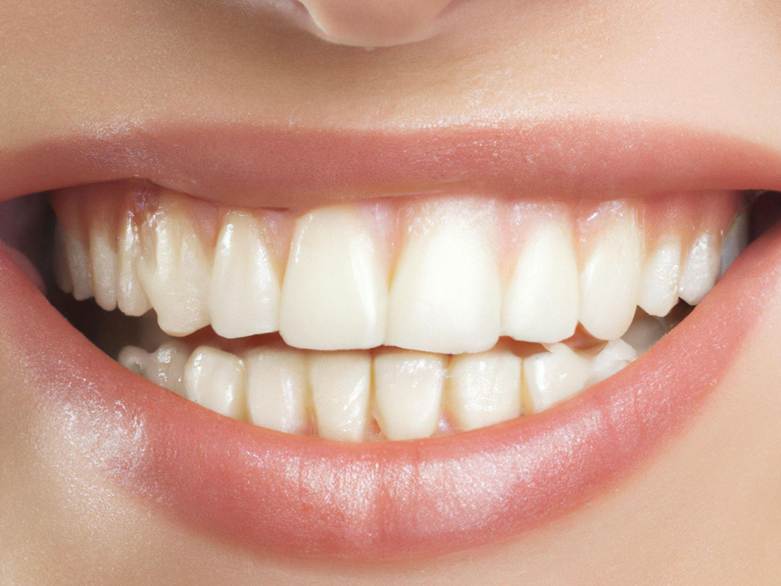
The 4 most commonly used whitening agents in whitening toothpaste formulations include:
Peroxide-based adds $8-15/kg, providing measurable whitening. Abrasive-based adds $1-3/kg, only removes surface stains. If claiming “whitens teeth,” retailers expect delivery—vague “brightening” won’t pass if challenged.
Marketing says “10% whitening agents,” but this is meaningless. 10% of what? Most “whitening toothpaste” contains 3%–5% actual Hydrogen peroxide and relies on high-RDA abrasives (40-60% of formulation).
When the label claims “10% whitening,” but the CoA shows 1.5% peroxide, that’s retailer rejection for false advertising.
You’d think that a higher whitening would guarantee better performance, but in reality, it may create formulation conflicts. Firstly, peroxide >2-3% increases sensitivity without proportionally better results. Then RDA >150 creates a rough texture that triggers returns, even if whitening is visible.
When marketing pushes “maximum whitening,” buyers face a choice: chase aggressive claims and risk complaints, or dial back performance for daily-use stability. The healthy choice is always to go for optimal formulations: peroxide (0.5-1.5%), controlled RDA (110-140), and tolerable long-term claims.
In the American toothpaste manufacturing compliance, there’s no FDA maximum, but the ADA Seal requires RDA ≤250. Retailers use 200 as a threshold. The EU has the ISO 11609 recommendations of ≤250. Products >150 often need additional safety docs. Major retailers (private label) set internal limits of 120-150 to minimize complaints.
Exceeding thresholds requires reformulation ($3,000-$8,000) plus a 4-8 week delay. Verify requirements before approving formulation.
| Area | US | EU | GCC |
| Fluoride (NaF) | 0.11–0.15% allowed | Up to 0.15% (1,500 ppm) | 0.11–0.15% |
| Peroxide (HP/CP) | Up to ~3.5% OTC | Max 0.1% (cosmetic) | Max 0.1% (cosmetic) |
| Whitening Claims | Allowed, cosmetic only | Cosmetic appearance only | Cosmetic appearance only |
| Sensitivity Claims | Requires proven activities | Requires substantiated activities | Requires substantiated activities |
If OEM quotes 500kg minimum, but you need 200kg for testing, you either overproduce or pay premium pricing.
Yield loss is the batch volume that doesn’t reach the finished product (equipment holdup, quality rejection, filling waste).
| Formula Type | Min Batch | Cost/Kg | Yield Loss |
| Standard | 300-500kg | $2.50-4.00 | 2-4% |
| Whitening (abrasive) | 400-700kg | $3.00-5.00 | 3-5% |
| Whitening (peroxide) | 500-1,000kg | $4.50-7.00 | 5-8% |
| Sensitive | 400-800kg | $3.50-5.50 | 3-6% |
Particles settle over time. After 6-12 months, the tube bottom has a higher abrasive concentration than the top, creating RDA inconsistency. With this, early use feels smooth, late use feels gritty. Reviews mention “texture changed.”
The fix is usually proper stabilization (xanthan gum, cellulose) to prevent settling, but this adds $0.30-$0.80/kg.
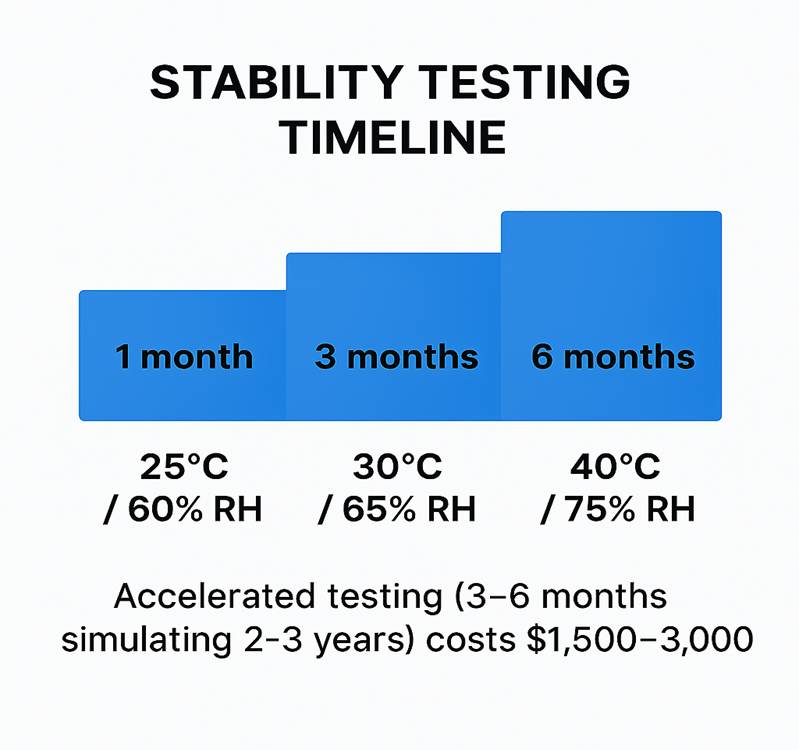
Peroxide loses 20-40% potency over 18-24 months. If launching with 1.5% but degrading to 0.9% by expiration, the late-cycle product delivers less whitening. Accelerated testing (3-6 months simulating 2-3 years) costs more but prevents post-launch failures.
Grit inconsistency will always result in complaints, returns, and negative reviews on Amazon. OEM manufacturers help one avoid this by offering products that have already been tried and tested.
Another issue they solve is this: where the lab shows excellent results, but commercially delivers less due to peroxide degradation during mixing, improper pH, or equipment contamination. With OEM manufacturers, retailers test post-production. Product not delivering the claimed performance is returned to the lab.
Scale-up failures surface after launch because buyers only test lab samples. Insist on commercial batch samples before MOQ, especially for whitening/sensitive formulations.
Formulation failures surface as business losses in the following ways:
Validation before production is the difference between launch and loss.
Here is a checklist to use before any toothpaste manufacturing approval:
Download Toothpaste Formulation Approval Checklist (PDF)

The critical capabilities to always ensure a toothpaste OEM manufacturing offers include, but are not limited to:
Toothpaste manufacturing is controlled engineering. RDA, whitening load, and batch scale decide approval or rejection. Skipping validation turns launches into reformulations.
Before approving formulation:
For OEM buyers, request RDA vs whitening performance matrix: a decision tool showing formulation trade-offs, cost impact, and compliance thresholds by region.
Don’t discover scale-up failures after launch. Validate before production.
Schedule a consultation to discuss your industry needs, volume requirements, and custom formulation options.
Trusted by 200+ brands across hospitality, retail, and travel sectors