OEM & Manufacturing

15 min read
February 04, 2026
OEM & Manufacturing
15 min read
February 04, 2026
Three months into your mouthwash project, you’ve purchased $2,400 worth of samples, changed formula twice, and still don’t have an MOQ that you can afford.
The factory is continually saying, “Just one more tweak.” You have barely been launched. They have your deposit in their account. And somewhere around revision three, you realized that your sample kit strategy (the careful, methodical testing approach that was supposed to protect you) is actually the thing bleeding your timeline and budget dry.
Nobody tells you this upfront: sample testing creates as many problems as it solves. You’ll get samples that look perfect, approve them, place your MOQ order, and then 10,000 units arrive that smell different, separate after two months, or use packaging that leaks in ways your samples never did.
This guide will tell you why sample testing fails, what it misses, and the costly mistakes sellers make when they think they’re being careful.
In This Article
Approving an MOQ is the largest upfront cost most buyers face. Let’s say you get a 10,000-unit toothpaste order at $2 per tube. That means you will spend $20,000 before you know if it sells or meets your standards.
What can go wrong:
In all OEM projects, even experienced buyers have approved MOQs only to discover the product separates or tastes harsh at scale.
Money spent on an MOQ is locked inventory. If a mouthwash separates or a toothpaste has grit, you can’t sell it. Refunds are rare, and reformulation costs extra. This is why time and money spent on sample kits is small compared to the potential losses from a failed MOQ.
Many buyers assume that reading the spec sheet or tasting a lab sample is enough. But large-scale production introduces variables:
These small differences can cause a product that “worked in the lab” to fail in the warehouse. Skipping pre-MOQ testing is one of the most common OEM mistakes.
Not all “samples” are meaningful. Choosing the wrong type of sample can give a false sense of security and lead to disastrous decisions.
Different Types of Pre-MOQ Testing:
| Type | Purpose | Real-World Use | Cost | Risk Mitigated |
| Lab formula | Validate chemical feasibility | Lab-only, not scaled | $50–$500 | Very little |
| Sample kit | Test sensory and packaging performance | Small batch (50–500 units) using OEM equipment | $200–$1,000 | Catch taste, burn, and leak issues |
| Pilot batch | Validate market, stability, and shelf-life | 1,000–5,000 units | $5,000–$15,000 | Reduce regulatory, shelf-life, and large-scale production risk |
| Full MOQ | Production run | 10,000+ units | $20,000+ | None—this is the real commitment |
Red Flags in Sample Kits:
In practice, buyers who trusted these “perfect” lab samples have faced full-MOQ batches that tasted off, leaked, or required expensive rework.
Sample kits are not always necessary, but skipping them is expensive, risky, and takes time. Use them strategically in these situations:
New OEMs or packaging designs should always include a sample kit first. Tooling costs are high, and errors at this stage are often retooled or scrapped, wasting time and money.
Even experienced buyers have lost $10,000–15,000 in bottle seals due to non-pre-MOQ testing.
A pre-MOQ sample confirms that your product is “zero burn” or “alcohol-free.” Without it, your marketing can go untested in the first run, resulting in returns, negative reviews, or regulatory audits.
Receiving a sample kit is just the start. Real value comes from testing it as your customer would.
Use the product exactly as your customer would:
Ignore the temptation to look at the product or show it to your team. You need to feel, taste, and observe it as end-users would.
Check the flavor carefully. Does it match your target profile? Is it too harsh or medicinal? Aftertaste matters too; customers notice lingering bitterness. Foam, residue, and texture should match expectations. A gritty toothpaste or overly thin mouthwash can ruin customer experience.
Next, look at the physical characteristics. Liquid separation or cloudiness often appears in larger production runs if not caught early. Toothpaste should maintain a smooth, consistent texture, and colors should stay stable under different lighting and over time.
Product quality means nothing if the packaging fails. Oral care sample kits let you catch packaging issues that often cost more than formula problems. Test all formats:
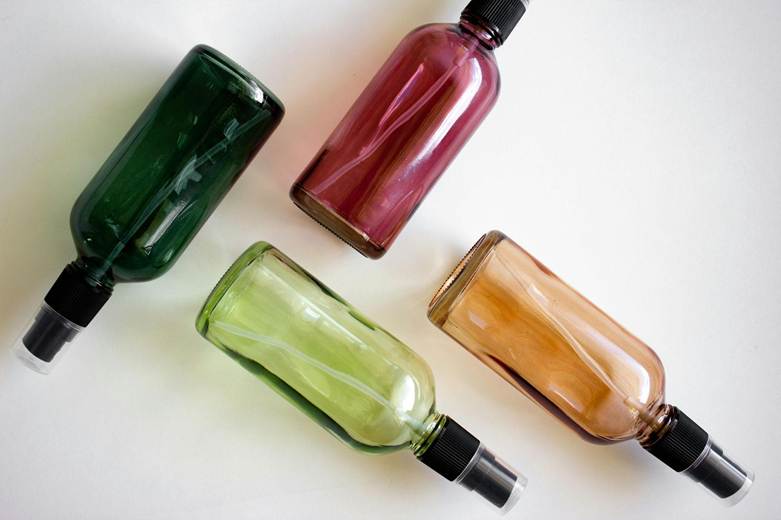
Fixing packaging after MOQ production often requires repackaging the entire batch, which is both expensive and time-consuming.
Risk and scale determine whether a sample kit is adequate or a pilot batch is required. If the OEM is proven, if it is a small variation of an existing SKU, and if the MOQ is small, perhaps a sample kit will suffice. But if you are launching in a controlled market, using new ingredients, or ordering a high MOQ, a pilot batch is safer.
Pilot batches give you real-world feedback on stability and shelf life, helping you better predict how the product will behave after production in bulk. It is this last step that many buyers have skipped when placing large orders and have had to contend with separation, fog, and rejected lots, which have sometimes cost them tens of thousands of dollars.
Buyers need to be vigilant, even with sample kits or pilot batches. It is possible that changes in raw materials, equipment, or process speed may be unexpected. Using a pilot batch or closely matching production conditions often means no costly surprises.
| Risk Factor | Sample Kit Adequate? | Pilot Batch Needed? |
| New formulation | Yes, sensory only | Yes, stability & compliance |
| High MOQ | No | Yes |
| Novel ingredients | No | Yes |
| Market testing | No | Yes |
| Packaging tooling | Yes | Maybe |
Sample kits are often viewed as a delay. In reality, they usually save time, just not in a way that’s obvious at the start.
When buyers skip pre-MOQ testing, they often move faster at first. The PO gets approved, production starts, and everyone feels good. The problem shows up later, when the product lands, and something is wrong. At that point, timelines don’t slip by days. They slip by weeks or months.
In real OEM projects, the longest delays don’t come from slow factories. They come from reformulation cycles. A product is produced, rejected, adjusted, tested again, and rescheduled. Each loop burns time, money, and internal patience. A sample kit breaks that cycle early, when changes are still cheap.
From a cost perspective, sample kits also change the tone of MOQ discussions. Once you’ve approved a physical product, the question is no longer “will this work?” It becomes “how do we produce this efficiently?” That shift matters. Buyers who approve samples with clear acceptance criteria usually negotiate MOQs with more confidence (and fewer surprises).
Most buyers underestimate how much time is lost when things go wrong after MOQ approval.
A common example is flavor adjustment. A buyer approves a lab formula based on a quick taste test. The full production run tastes sharper or more chemical. Now the product has to be reformulated, retested, and rescheduled. The original launch date quietly disappears.
Another frequent issue is packaging. A pump works fine in a sample, but fails under continuous use at scale. Replacing pumps after production means rework, new packaging orders, and sometimes partial write-offs. What looked like a small oversight turns into a budget problem.
These mistakes aren’t caused by poor intentions. They happen because buyers assume early-stage samples represent final production. They often don’t.
One of the biggest mistakes is treating sample kits like presentation items. The product looks fine, smells fine, and gets a quick thumb-up. No one uses it daily. No one tests it in real conditions. The opportunity is wasted.
Another mistake is vague approval. Saying “this is good” without documenting what “good” means removes accountability. When the MOQ arrives slightly differently, there’s no reference point. The OEM can reasonably say the sample was approved.
In real OEM projects, this lack of clarity leads to uncomfortable conversations. The buyer feels misled. The factory feels blamed unfairly. Both sides lose time trying to fix something that should have been defined earlier.
Finally, some buyers rely too heavily on sample kits when a pilot batch is clearly needed. Large MOQs, new ingredients, or regulated markets demand more validation. Skipping that step often leads to full-batch failures that no sample kit could have prevented.
Sample kits work best when buyers arrive prepared.
Before requesting one, buyers should be clear on product format, target use case, cost expectations, and where the product will be sold. A hotel amenity product and an Amazon SKU should not be tested the same way. Acceptance criteria should be defined in advance, not after the sample arrives.
Prepared buyers get better samples. Unprepared buyers get generic ones—and then wonder why the product doesn’t match expectations later.
The fastest projects aren’t the ones that skip steps. They’re the ones who give clear feedback quickly.
When a sample arrives, waiting a week to respond slows everything down. Worse is giving vague feedback that forces multiple revisions. Clear, specific comments—especially about flavor, texture, and packaging behavior—allow OEMs to adjust once, not five times.
The most efficient buyers link sample approval directly to their RFQ. Once the product is approved, pricing, timelines, and MOQs should already be defined. That’s how sample kits shorten time to production instead of extending it.
Most OEMs charge for sample kits to cover material and labor costs. Some OEMs waive the fee if you proceed to MOQ.
If the OEM developed the formula, they typically retain ownership unless you negotiate exclusive rights. If you provided the formula, you own it.
Yes. The more detail you provide, the better the match.
Typically 2–4 weeks, depending on formulation complexity and packaging availability.
Sample kits are not typically stability tested. If you need stability data, request a pilot batch or ask for accelerated aging tests.
Yes. Most OEMs will produce multiple flavor variants in a single sample kit order.
You can request revisions before deciding to proceed or end the engagement.
Your next production run shouldn’t be a gamble. Make it a calculated decision backed by real product testing.
Approving an MOQ without proper pre-MOQ testing is a calculated risk (and often a bad one).
Sample kits don’t guarantee success, but they dramatically reduce avoidable mistakes. They expose issues early, when fixes are still affordable. They prevent wasted inventory, blown budgets, and missed launches.
In real OEM projects, the buyers who succeed aren’t the ones who move fastest. They’re the ones who validate before they commit.
Your next production run shouldn’t rely on hope. It should be backed by real testing, clear decisions, and realistic expectations.
If you are ready to reduce your MOQ risk, request the MOQ & cost breakdown and submit RFQ after sample approval.
Schedule a consultation to discuss your industry needs, volume requirements, and custom formulation options.
Trusted by 200+ brands across hospitality, retail, and travel sectors