OEM & Manufacturing

18 min read
February 04, 2026
Home > Blog > OEM & Manufacturing > Alcohol-Free Mouthwash for Airlines, Hotels, and Gyms: Why Format Matters
OEM & Manufacturing
18 min read
February 04, 2026
Source: Pexels
Hotels, airlines, and some gyms provide guests with care packages as part of the overall experience, often including oral-care kits in travel and high-traffic environments. As customer-centric businesses, these operators must offer amenities that reflect current usage trends while remaining practical at scale. One category seeing growing adoption across these sectors is alcohol-free mouthwash, driven by safety, inclusivity, and operational needs.
Alcohol-free mouthwash supports users with medical sensitivities or religious restrictions. These types also pair well with gentle formulations suited for frequent use. For procurement teams, formulation is only part of the decision. Format matters just as much. How mouthwash is packaged directly affects leakage risk, transport density, storage volume, compliance review timelines, and unit economics.
This guide compares bottles, sprays, and sachets of airline mouthwash suppliers, hotel amenity mouthwash options, or gym hygiene products according to integrity, pallet efficiency, TSA alignment, and cost per use.
In This Article
Source: Pexels
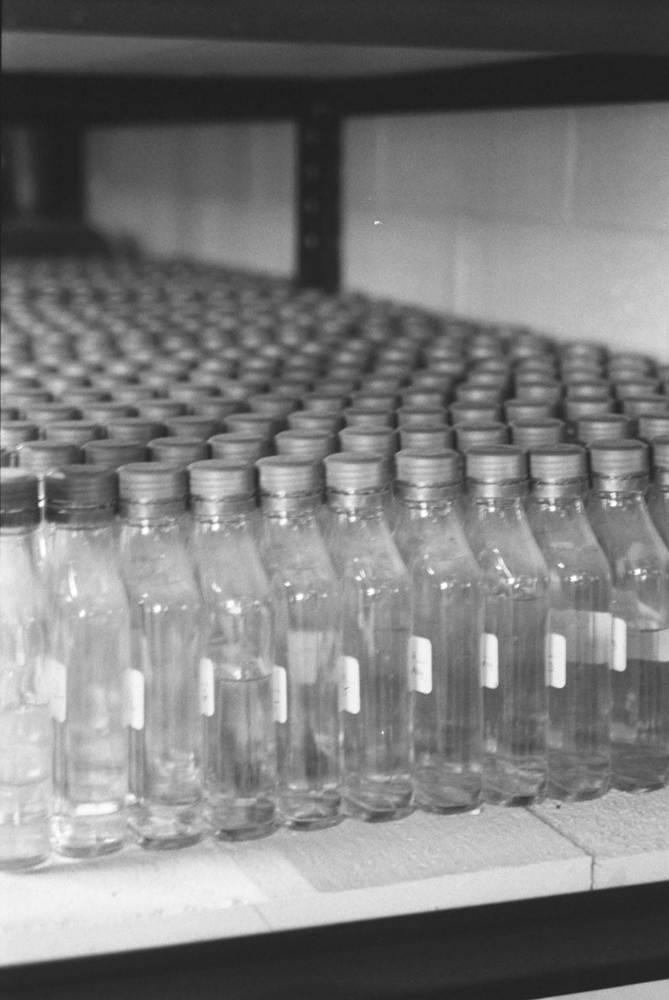
It seems practical to get huge bottles of mouthwash for airlines, hotels, and gyms. But when you scale the quantity across hundreds of rooms, or flights, or locker areas, the impracticality becomes evident. Here’s why:
When mouthwash is in bottles, in-flight pressure, the same that affects your hearing, forces liquids to leak, even past seals. Anyone who has ever experienced their airline hygiene products leak knows it’s messy and super inconvenient. The liquid gets everywhere, damaging other items. Now imagine that leakage inside the airline’s, gym’s, or hotel storage cabins; it’s equally disastrous and messy. And wasteful.
Other reasons bottled mouthwashes aren’t ideal for these establishments are human-related. Airport baggage handlers toss your bags around, heightening the risk of broken caps. And if a housekeeper or gym goer doesn’t tightly close the cap, that’s another disaster waiting to happen. Liability exposure grows when broken bottles cause cuts or slip hazards in high-traffic wet areas.
A standard 250ml bottle weighs significantly more than its contents. Multiply that across 10,000 hotel rooms or 500 daily flights, and freight costs climb. Travel amenity packaging designed around bottles forces procurement teams to accept lower pallet density—more shipments, higher logistics spend, larger storage footprints at distribution hubs.
Airlines measure every gram. Hotels count cubic meters in housekeeping supply rooms. Gyms operate with limited back-of-house space. In short, bottled liquids consume resources that don’t scale efficiently when guest volume increases.
Format matters, but so does formulation. Alcohol-free mouthwash solves problems that alcohol-based versions create in commercial settings. A few reasons include:
Children traveling with families shouldn’t experience burning sensations from amenity products. Guests with sensitive oral tissue or mucositis avoid alcohol-based rinses entirely. Some religious traditions restrict alcohol contact entirely, and medical patients undergoing radiation therapy need gentle alternatives.
Alcohol-free oral care removes these barriers. With these, the procurement teams reduce complaint risk and accommodate broader guest demographics without maintaining separate product lines.
Gyms prioritize post-workout freshness. Gym hygiene products must deliver odor control without relying on alcohol’s harsh antimicrobial punch. Modern alcohol-free formulations use cetylpyridinium chloride (CPC), zinc compounds, or essential oil blends to achieve similar results. These actives work without the drying side effects that discourage repeat use among gym members.
Procurement decisions hinge on format performance across real-world conditions: baggage handling, housekeeping workflows, and member self-service areas. Here’s how the three main formats compare.
Source: Pexels
Traditional bottles offer brand visibility and multi-use convenience for hotel room placement, but they introduce operational friction. Leak risk remains high during transport and in-room use. Weight per unit increases shipping costs. Regulatory approval processes slow down when bottle volumes exceed carry-on limits or require pressure-testing documentation for aviation use.
Hotels using bottles must account for partial usage, spillage during cleaning, and occasional theft. The format works for stationary amenities in suites, but budget and logistics favor alternatives for large-scale deployment.
Spray bottles reduce liquid volume per unit and improve dosing control compared to pour bottles. Leak risk drops slightly due to pump mechanisms, though valve failures still occur under pressure changes or rough handling.
The main limitation: dosing inconsistency. Guests dispense different amounts per use, making it harder to predict inventory needs. Spray mechanisms add cost per unit, and pumps occasionally clog with thicker formulations. Airlines and gyms find sprays moderately more efficient than bottles, but the format doesn’t eliminate core operational challenges.
These wall-mounted dispensers reduce single-use packaging waste and work well in fixed spots like gym locker rooms or hotel spa sinks.
They don’t suit travel since airlines can’t use them, and hotels skip them in guest rooms to avoid germ spread. Staff must refill them, pumps can clog with certain products, and unattended ones risk vandalism or theft.
Sealed sachets deliver one controlled dose per guest use. Single sachet packet mouthwash eliminates multi-use contamination risk and reduces weight and volume per guest interaction. They also simplify disposal. Sachets pack flat, maximizing pallet density during freight and shelf efficiency in storage areas.
Procurement teams see fewer leakage claims, faster compliance reviews due to small liquid volumes, and predictable usage rates that improve inventory forecasting. Guests traveling with sachets encounter no TSA friction at security checkpoints.
| Factor | Bottle | Spray | Single Sachet Packet | Bulk Dispenser |
| Leak Risk | High | Moderate | Very Low | Low (fixed installation) |
| Cost Per Use | Moderate | Moderate-High | Low-Moderate | Very Low |
| Logistics Density | Low | Moderate | High | N/A (installed) |
| Storage Volume | High | Moderate | Low | N/A |
| Airlines | Poor fit | Marginal | Excellent | N/A |
| Hotels | Acceptable | Good | Excellent | Poor (rooms), Good (spas) |
| Gyms | Acceptable | Good | Excellent | Good (locker rooms) |
Choosing the wrong packaging can lead to leaks, security problems, and high costs. Here’s why some formats struggle:
Leakage During Transport
Bottles often leak when caps loosen during baggage handling or housekeeping, and cabin pressure can force liquid past even tight seals. Sprays reduce but don’t eliminate risk, as pumps fail under pressure changes and seals degrade in cargo holds.
TSA and Security Issues
Bottles over 100 ml are confiscated; smaller bottles slow screening. Bulk dispensers can’t pass security, limiting airline use.
Cost Inefficiency at Low Volume
Small bottle runs incur $2,000–$5,000 setup costs. Bulk dispensers need installation, maintenance, and refill management. Sachets avoid these costs and scale linearly.
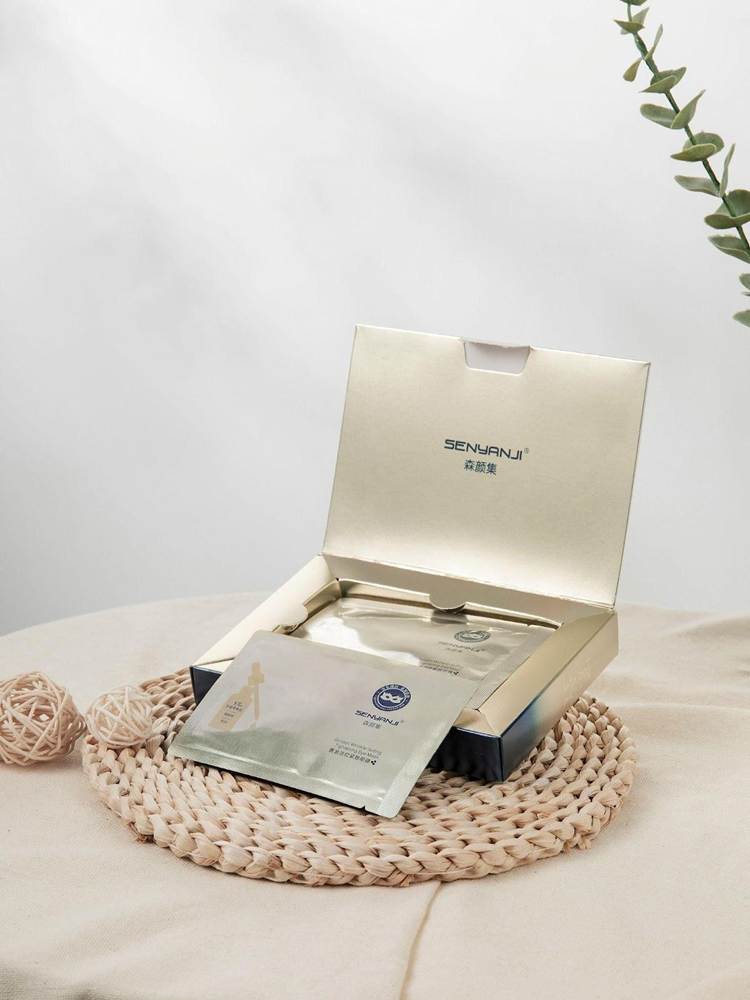
Foil film packet mouthwash uses multi-layer film technology to create puncture-resistant, heat-sealed single-use formats. Procurement teams evaluating sachets should understand the construction and seal validation process.
Source: Pexels
Single-use mouthwash packaging typically combines polyester, aluminum foil, and polyethylene layers. Polyester provides tensile strength. Aluminum foil blocks light and oxygen, extending shelf life without refrigeration. Polyethylene steps in to create the heat-seal surface that bonds during manufacturing.
Reputable suppliers test seal integrity through pressure simulation, drop testing, and temperature cycling.
Each sachet contains 11–12 ml—enough for one effective rinse without waste. Housekeeping staff, flight attendants, and gym managers know exactly how many sachets to stock per guest interaction. TSA-friendly mouthwash packaging at this volume passes security screening without question, making sachets the default choice for airline amenity kits and hotel travel programs.
Predictable dosing also improves cost modeling. So much so that procurement teams calculate exact per-guest expense without accounting for other constraints like theft common with multi-use bottles.
The best packaging depends on how products are used, handled, and restocked in each place.
Mouthwash suppliers sell in different pack sizes to fit various needs:
Buying teams should check that suppliers can provide all these options from one source. There’s no need for multiple vendors.
Format and formulation interact with regulatory frameworks that vary by region and sector. Airline-approved mouthwash must clear hurdles that hotel or gym products might not face. For example:
The TSA allows liquids up to 3.4 ounces (100 ml) in carry-on bags. Sachets at 11–12 ml fall well below this threshold, making them TSA-friendly mouthwash packaging by default.
Some international aviation carriers impose additional restrictions on liquid formats in checked baggage. Sealed sachets avoid most of these complications due to controlled volume and leak-resistant construction.
Many airlines serve routes to Muslim-majority regions where Halal oral care standards apply. Alcohol-free formulations simplify compliance, but suppliers must provide certificates confirming zero ethanol content and Halal production practices.
Hotels operating in the Middle East, Southeast Asia, and parts of Europe increasingly prioritize Halal-certified amenities to accommodate guest expectations. And gyms in diverse urban markets see similar demand.
Hotels and airlines serving Gulf Cooperation Council (GCC) countries must comply with Arabic labeling requirements. Ingredient lists, usage instructions, and safety warnings appear in both English and Arabic on compliant packaging.
Hotel amenity compliance in the GCC also involves coordination with local health authorities, which review product formulations and labeling before allowing distribution.

Source: Pexels
Minimum order quantities (MOQ) and unit costs vary by pack configuration and sector. Understanding these ranges helps procurement teams model budgets accurately.
MOQs shift based on customization. Private-label printing, custom flavors, or unique formulations increase minimums. Suppliers offering stock SKUs accept smaller orders.
Bottles cost less per unit at small volumes but carry a higher total expense when factoring in freight, storage, and waste. Sprays sit in the middle. Sachets deliver the lowest cost per actual guest use when logistics and leakage risk are included.
Here’s how single-use mouthwash cost breaks down by sector:
| Sector | Preferred Format | Typical MOQ | Cost Per Guest Use |
| Airlines | 5-pack zip bag | 1,000–2,000 sets | $0.15–$0.30 |
| Hotels | 20-pack carton + singles | 500–1,000 cartons | $0.10–$0.25 |
| Gyms | Singles or 5-packs | 5,000–10,000 sachets | $0.12–$0.28 |
Costs decrease as order volume scales.
Supplier selection determines whether your mouthwash program runs smoothly or generates ongoing operational problems. Airline mouthwash supplier evaluations should prioritize these criteria:
Evaluating sachet durability, seal quality, and format presentation requires hands-on testing. So here, request a travel demo pack to assess how the product performs in real-world conditions: carry-on bags, housekeeping carts, gym lockers.
Demo packs should include both 5-pack zip bags and 20-pack cartons so your team can compare formats across operational use cases.
Technical specs, compliance references, and pack configurations matter during procurement review. Request an airline specification PDF that includes:
This document streamlines internal approval and speeds vendor onboarding.
Schedule a consultation to discuss your industry needs, volume requirements, and custom formulation options.
Trusted by 200+ brands across hospitality, retail, and travel sectors