
Compliance / Testing

17 min read
February 04, 2026
Home > Blog > Compliance / Testing > Mandatory Labeling: What Must Appear on Mouthwash, Toothpaste & Breath Sprays
Compliance / Testing
17 min read
February 04, 2026
Every oral-care buyer has experienced the same moment. The label artwork arrives from the OEM, branding looks correct, colors align with the range, and the approval email goes out. Production moves forward. Containers fill. Cartons seal. Freight departs.
Then the shipment pauses. Sometimes the delay comes from customs or from a retail compliance team. May also be from an online marketplace audit that quietly turns off a listing. At that point, the label becomes the most expensive part of the product.
Mandatory labeling failures rarely come from obscure regulatory edge cases. They come from everyday misunderstandings around mandatory oral care labeling, where buyers assume approval equals protection. In commercial reality, labeling functions as a gatekeeper for customs clearance, retail onboarding, and marketplace visibility. Once a product enters circulation, every word on the label carries legal and financial weight.
This article focuses on how labeling functions in real buying environments, how experienced buyers assess risk, and why many OEM-approved labels still collapse under scrutiny.
In This Article
Many assume that because the OEM prints the label, they bear all liability. But the brand owner or importer listed as the “responsible party” is legally accountable. Customs, retailers, and marketplaces all hold the buyer responsible for missing warnings or incomplete information.
In real-world cases, buyers approved labels with placeholders like “BATCH: XXXX,” assuming the OEM would fill them. When the shipment arrived, customs refused entry, costing over $25,000 to relabel. Expanding into new markets without reviewing regional requirements, font sizes, allergens, or warnings, often triggers last-minute reprints and delayed launches.
Regardless of the oral care format, these elements are non-negotiable:
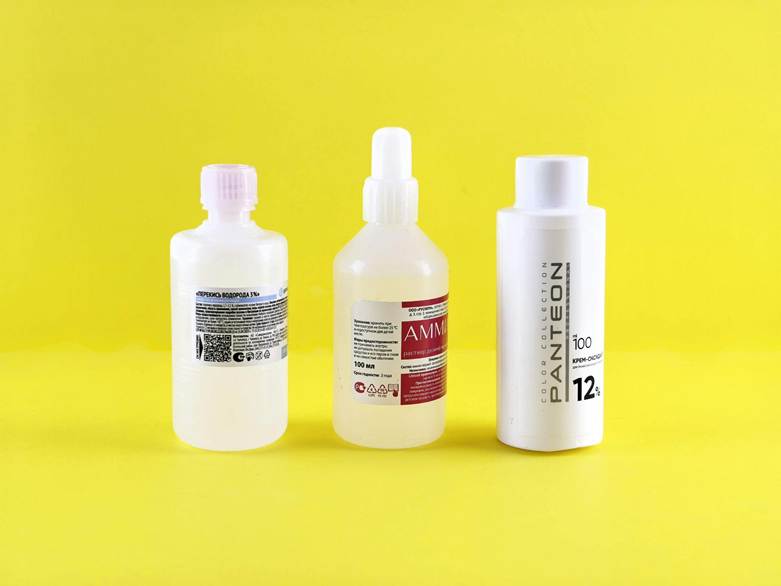
Not all oral care products are created equal, and neither are their labeling requirements. Buyers often assume a single template will work across mouthwash, toothpaste, breath sprays, or single-use sachets, but in reality, each format demands careful attention.
Alcohol Disclosure and Warnings
Many mouthwashes contain alcohol, and most markets require the percentage to be stated. Even alcohol-free versions must include basic warnings like “Do not swallow” or age limits. For example, the EU mandates that alcohol-containing products carry a warning such as “Not recommended for children under 12.” Some buyers worry these warnings clash with a “natural” or premium image. But skipping them risks customs holds or retailer rejection. Reviewing a physical sample with the label applied before production can prevent costly mistakes.
Fluoride and Active Ingredient Statements
Fluoride concentration must match what’s printed on the pack, and in the US, safety language about accidental ingestion is mandatory. Whitening claims must clearly indicate which ingredient delivers the effect. Problems often arise when buyers borrow competitor warnings without checking their own formulation. That gap is easy for regulators to spot. And it often shows up as a shipment hold or a formal compliance review.
Dosage and Alcohol ContentSprays must indicate alcohol percentage and recommended usage frequency. For example, stating “2 sprays up to 6 times daily” ensures consumers can use the product safely. Compact labels often compress text to fit small bottles, making warnings illegible. Regulators do not accept “limited space” as an excuse; solutions include slightly larger bottles or multi-fold insert labels.
Independent Compliance for Each UnitSingle sachets typically measure 5cm × 7cm, leaving minimal surface area. While outer boxes can carry the full ingredient list in some markets, individual sachets may still need mandatory oral care labeling elements: product name, net content, batch code, and manufacturer details. Approving flat artwork alone is a frequent failure point. Always request printed sachet samples.
When it comes to INCI labeling oral care, the following apply:
Ingredients must appear in descending concentration order, using official INCI names. In the EU, allergens like limonene, linalool, and citral must be explicitly listed, even when part of fragrance blends. OEMs that lump them under “Fragrance” risk compliance failures. Interestingly, the US market is more forgiving in this respect, which can mislead buyers managing multi-region exports.
Claims are a common compliance trap. Words like “antibacterial,” “kills,” or “therapeutic” can reclassify a cosmetic as a drug, triggering stricter regulations. Marketing teams often approve these terms without checking the formulation or target market. Based on buyer audits, misaligned claims like “Kills 99% of bacteria” frequently trigger relabeling and shipment delays.
| Label Element | US | EU | GCC |
| Language | English | Local EU languages | Arabic (+ English) |
| Responsible Party | US-based | Must match CPNP | Local importer often required |
| Net Content | fl oz | ml | ml |
| Ingredients (INCI) | Required | Required + allergens | Required |
| Warnings | Required | Required | Required |
| Font Size | Enforced | Strictly enforced | Strictly enforced |
| Alcohol Disclosure | If applicable | Often required | Always required |
| Fluoride/Actives | Specific wording | Disclosure required | Disclosure required |
| Batch/Lot Code | Required | Required | Required |
| Registration Reference | N/A | CPNP mandatory | Halal often required |
Labels often fail compliance because space is wasted on content that adds no regulatory value. Buyers frequently approve labels with:
These elements push critical information into unreadable font sizes. Regulators, retailers, and marketplaces focus on essentials:
On small formats, especially single-use oral care labeling, cluttered design is a common cause of non-compliance.
Retail rejection rarely happens because of design. It happens because buyers run structured audits.
Large retailers have internal compliance teams that check:
If one element fails, the entire SKU is rejected—often without negotiation.
Amazon audits listings against physical labels, not artwork files. If your listing claims “antibacterial” but the label avoids the term, or vice versa, the SKU can be suspended. Marketplace teams also flag:
Once flagged, reinstatement can take weeks, even after corrections.
Hospitality buyers expect independently compliant units. Sachets are frequently separated from boxes, so missing batch codes or manufacturer names on individual units are deal breakers. Hotels also audit allergen disclosures aggressively due to guest safety risk.
OEMs approve manufacturability, not regulatory accuracy. They may print what you approve—even if it fails cosmetic labeling compliance rules in your target market.
Marketing tweaks added late (“clinically proven,” “kills bacteria”) are one of the most common reasons labels must be reprinted.
For example, a buyer approved compliant toothpaste labels, then added “Therapeutic Whitening” just before printing. The claim triggered drug classification in the US. The labels had to be reprinted, and inventory was delayed by six weeks while legal reviews were conducted.
Artwork that passes digital review often fails once printed. Heat seals cover batch codes. Fold lines obscure warnings. Ink bleed reduces legibility below minimum font size.
Oral care packaging label warnings must be present, readable, and correctly placed. Regulators physically measure font size—usually 1.5–2mm x-height minimum. A warning that measures 1.4mm is non-compliant, even if the text technically exists.
Color contrast matters. Placement matters. And yes, sachets and travel formats are still expected to comply.
Limited space is not an acceptable excuse.
Consistency between listing claims and physical labels is critical. Overclaiming online while “playing it safe” on-pack still triggers enforcement.
Retail buyers focus on audit checklists: warnings, batch traceability, responsible party accuracy. Design flexibility is minimal.
Hotels prioritize safety and traceability. They expect single-use oral care labeling to stand alone without outer packaging.
Labels that work for Amazon often fail hotel audits. Labels designed only for retail frequently fail marketplace enforcement. One label rarely fits all channels without deliberate planning.
Labeling errors rarely look expensive at first. A missing allergen. A compressed warning. A claim that slipped through at the last minute. But once products leave the factory, mistakes multiply fast.
Customs authorities don’t negotiate over intent. Retail buyers don’t accept “OEM-approved” as justification. Marketplaces don’t care that space is limited.
For buyers, weak mandatory oral care labeling becomes a direct financial exposure.
When a shipment is flagged, buyers face only a few outcomes:
Each option costs money, time, and credibility. Relabeling sounds manageable until you account for labor, storage, delays, and re-inspection fees. Re-exporting wipes out margins entirely.
A common scenario we’ve seen: A buyer importing breath sprays into the EU failed to separate fragrance allergens in the INCI list. The product passed US checks but failed EU inspection. Labels had to be reprinted locally and applied by a bonded warehouse, adding over $60,000 in unplanned costs.
Retailers and hotels treat labeling as a non-negotiable gate. Missing batch codes, unreadable warnings, or unsupported claims trigger automatic rejection.
Amazon goes further. Listing content is audited against physical packaging. If claims, ingredients, or warnings don’t match exactly, SKUs can be suspended without warning. Reinstatement often requires legal documentation, corrected labels, and weeks of back-and-forth.
Repeated violations don’t just delay sales. They flag your brand for increased scrutiny.
OEM approval confirms the label can be printed—not that it complies everywhere it will be sold.
OEMs rarely:
That responsibility sits squarely with the buyer or importer. Assuming otherwise is the fastest route to relabeling costs.
A safe oral care packaging label approval process follows a strict sequence:
Shortcuts anywhere in this process almost always surface later—as customs holds or retailer rejection.
| Scenario | Typical Cost |
| Pre-production compliance review | $500–$2,000 |
| Label reprinting after production | $15,000–$50,000 |
| Small-scale recall | $50,000–$200,000 |
| Lost retail placement | Long-term revenue loss |
Buyers who treat cosmetic labeling compliance as optional usually pay for it twice.
Q1: Who is legally responsible for label accuracy?
Both the OEM and buyer share responsibility, but the buyer/importer listed as the “responsible party” bears primary liability.
Q2: Can I reuse the same label across regions?
Rarely. Requirements differ for US, EU, and GCC markets, including language, allergens, and responsible-party rules.
Q3: Do breath sprays require alcohol warnings?
Yes, if alcohol is present. Most regions also require percentage disclosure.
Q4: Are sachets exempt from full labeling?
No. Many markets require each unit to show product name, batch code, and manufacturer details, even if outer packaging includes the full ingredient list.
Q5: What happens if labeling is corrected after production?
Options include relabeling, applying over-labels (if allowed), re-export, or destruction—all costly.
Mandatory labeling is not a design task. It’s a commercial risk filter.
The most successful buyers:
Before authorizing print or import, confirm that:
If you’re sourcing mouthwash, toothpaste, breath sprays, or single-use oral care labeling formats, a compliance-first review is cheaper than a reprint—every time.
Schedule a consultation to discuss your industry needs, volume requirements, and custom formulation options.
Trusted by 200+ brands across hospitality, retail, and travel sectors