Toothpaste

10 min read
November 19, 2026
Home > Blog > Toothpaste > Approving the Toothpaste Tube, Not Just the Paste: A Packaging Acceptance Matrix
Toothpaste
10 min read
November 19, 2026
An acceptable toothpaste formula does not automatically qualify its commercial tube. The filled formula–tube–cap system needs its own assessment of sealing, dispensing, appearance, handling and traceability. For brands and importers with defined markets and purchasing plans, this matrix turns packaging comments into a recorded approval decision.
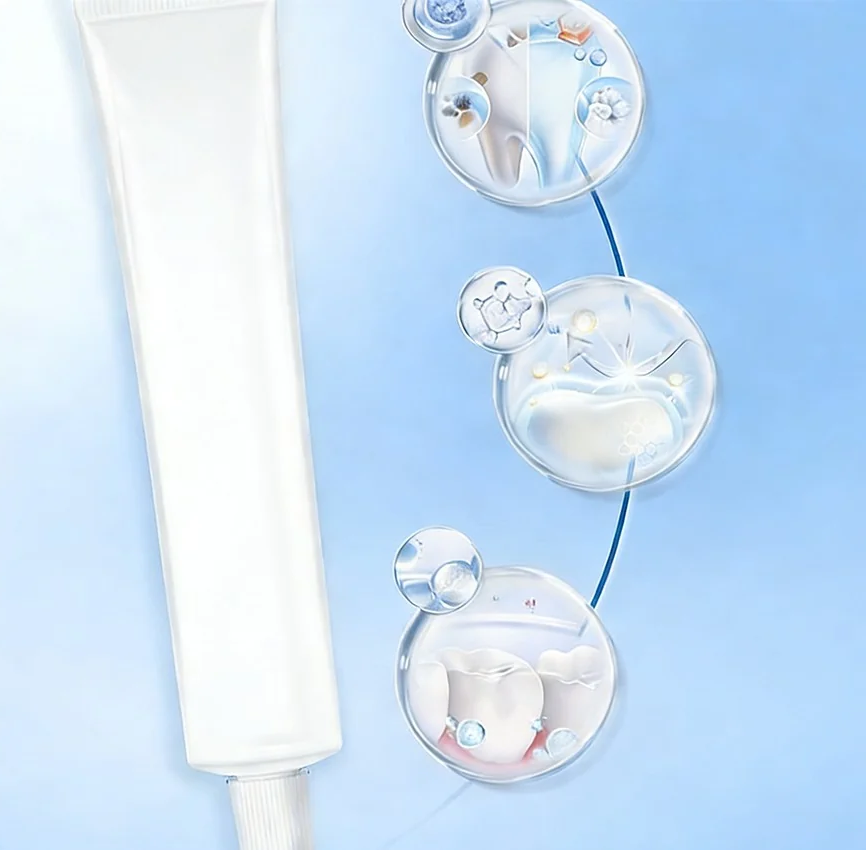
Featured image: illustrative packaging concept, not a photograph of a tested or manufactured customer product.
Assign controlled revisions to the formula, tube structure and material layers, shoulder and orifice specification, cap/closure, intended fill, tail-seal design, artwork and carton. Record who supplies each component and the assembly, filling and sealing methods actually used in the trial. Distinguish a hand-filled sensory sample, an engineering assembly/fill trial and a sample made under representative intended production conditions: each supports a different conclusion. A jar sample cannot qualify tube compatibility, and even a line-filled sample alone does not confirm available licensed production capacity or final release. Keep each result linked to the tested formula–tube–cap revision and conditions.
Before requesting a production quotation, document the destination market, sales channel, presentation and applicable handling conditions, then confirm classification, claims and local labeling responsibility for that project. For US-targeted projects, confirm that the proposed product fits the accepted cosmetic scope before development. ORALABX does not undertake US OTC anticavity or therapeutic toothpaste programmes. This describes ORALABX project acceptance, not a universal legal classification of fluoride-free or other toothpaste products.
| What to verify | Practical sample check | Evidence to retain |
|---|---|---|
| Tube and cap fit | Match tube structure/material revision, orifice/shoulder and cap specification; observe closure assembly under the agreed conditions. | Tube/cap drawing IDs, version codes, assembly setup, sample ID and review record. |
| Seal and leakage | Assess tail seal, tube shoulder/orifice and cap sealing separately under the defined filled-sample, orientation and distribution conditions. | Agreed method and conditions, observed leakage by location, results, deviations and closure evidence. |
| Dispensing | Evaluate dispensing at defined temperature, use sequence and orientation; specify squeeze/flow assessment method. | Tested sample IDs, temperature/method, agreed criteria, observations and issue reference. |
| Appearance and print | Compare printed tube and artwork revision, usable print area, legal-text legibility and project-defined scuff check. | Approved artwork/document ID, physical sample code, reviewer and deviation log. |
| Transit readiness | Verify carton count, fit and protection for the project-specific planned freight and handling configuration. | Project packing spec, transit-trial plan/results where required, issue and closure record. |
| Traceability | Link the finished sample and batch coding location to the controlled specification, manufacturing record and PO revision. | Legible batch code proof, sample/spec/order IDs and responsible review signature. |
This is a planning example, not a completed test report or verified customer order. Duplicate the record for each relevant SKU or test and agree the criteria, sample count and responsible reviewer before use.
| Field | Planning record / decision |
|---|---|
| Check item / sample ID | Tube–cap fit / [to complete] (illustrative untested record) |
| Formula / tube / cap revision | Formula: [to complete] ; tube material/structure: [to complete] ; cap: [to complete] |
| Sample type / fill & seal method | Hand-filled / engineering trial / production-representative — select; method: [to complete] |
| Test method, sample count, conditions | Project-agreed method: [to complete] ; n = [to complete] ; temperature / handling: [to complete] |
| Agreed criterion | Project-agreed specification or acceptance limit: [to complete] (not supplied universally) |
| Observed result | [to complete] (no test result entered; not tested) |
| Decision | OPEN until reviewed; then record PASS or FAIL with evidence |
| Issue owner / due date | [to complete] / [to complete] |
| Deviation category / reviewer | Cosmetic / critical leakage / label / traceability / other: [to complete] ; reviewer: [to complete] |
| Closure evidence / decision date | Evidence ID: [to complete] ; approved closure date: [to complete] |
| Commercial release status | HOLD until all critical items and applicable quality-release steps close |
This matrix is an example framework, not a universal toothpaste tube testing standard. Define each project-specific method, sample size, pass criterion, actual observed result, decision owner and closure requirement for the formula–tube–cap combination, market and contract. Leakage, incorrect regulated text and missing traceability are critical issues that cannot be left open for commercial shipment merely because a sample otherwise looks acceptable.
Concept gate: agree the formula direction and proposed packaging format without claiming it is production-approved.
Component gate: collect the selected tube, cap and carton drawings with named suppliers.
Compatibility gate: identify the tested formula/tube/cap revisions, project-approved storage or transport conditions, test time points, evidence plan and responsible approver. A short-term appearance observation does not prove the target shelf life; separately agree the scope and cost of any additional testing.
Artwork gate: approve print files only after the usable print area, label requirements and coding location are confirmed.
Commercial gate: confirm that the project-specific licensed manufacturing route and destination-market scope are feasible before any binding commercial production commitment; then reconcile deviations, final specifications, named sign-off owners and verified schedule conditions. Do not treat route confirmation as a last-minute paperwork check.
When the formula, tube material, cap, filling conditions or artwork changes, ask which previous evidence remains valid. A color-only artwork revision may need a different review from a change of primary contact material. Record that distinction instead of automatically repeating every test or, worse, assuming every previous approval still applies.
Provide the commercial brief, destination market, approved formula revision if available, tube/cap drawings and revision codes, carton presentation, proposed units per SKU, timing assumptions and named technical decision owner. For ORALABX toothpaste programmes the standard commercial MOQ is 10,000 finished units per SKU; do not pool different finished-product SKUs to suggest a lower minimum. A document revision alone does not automatically create a new SKU; confirm the commercial and verification impact of each change. Request written confirmation of sample, tooling, additional testing, component procurement, freight and local regulatory work scope/cost and responsible parties. Lead times depend on full formula, package, artwork, deposit and schedule confirmation, not merely receipt of a packaging sample.
If your team is still deciding whether the proposed toothpaste can be manufactured at commercial scale, use a project-specific toothpaste manufacturing review to establish the feasible route before treating a packaging sample as approval to produce. Toothpaste production is assessed case by case, with confirmation of the licensed manufacturing arrangement and destination-market scope.
Close the sample assessment with clearly distinct statuses: “sample acceptable for the stated trial purpose,” “conditionally acceptable, with named validation still OPEN,” or “not approved.” A conditional sample assessment never authorizes commercial shipment when leakage, incorrect labels, traceability gaps or other critical deviations remain outstanding. Record the deviation authority, owner, due date and evidence/date of closure. Only after the licensed route, approved revisions and required checks are confirmed may the project proceed to its applicable finished-batch quality-release decision; packaging sign-off alone is not that release.
For the formula inputs needed before sampling, see the toothpaste formulation brief. Use this packaging matrix after selecting the proposed tube and cap.
Share your product type, target market, estimated volume and launch timeline. We will review the project scope and recommend the appropriate development path.
Best suited to brands, importers and distributors planning scalable commercial production.