Toothpaste

11 min read
October 30, 2026
Home > Blog > Toothpaste > Toothpaste Formulation Brief: What Brands Should Define Before OEM Sampling
Toothpaste
11 min read
October 30, 2026
In This Article
A toothpaste formulation brief turns a product concept into a shared development reference. It tells the OEM team what the buyer wants to achieve, which requirements are mandatory and what still needs review. A request for “fresh mint whitening toothpaste” leaves the market, sensory target, pack and evidence requirements open.
Use this brief before laboratory sampling or selecting an existing base. For available manufacturing routes, review the toothpaste manufacturing service and toothpaste OEM program. This article focuses on the inputs and approval decisions that make a sample commercially useful.
List the first launch countries, sales channels and intended users. Identify the person responsible for classification, ingredient review, claims and final label approval. A market added after sample approval can reopen formula and packaging decisions.
For US projects, ORALABX reviews cosmetic-scope toothpaste concepts only and does not undertake US OTC or anticavity drug manufacturing. Fluoride, fluoride-free and nano-hydroxyapatite directions must each be reviewed for the destination and intended claims. This US service boundary does not mean that fluoride is excluded from all other markets.
Describe the intended use, consumer group, channel and price position. State whether the project starts from an existing base, a modified private-label formula, custom development or a buyer-owned specification. Label whitening or sensitivity positioning as a request for review until the market pathway and evidence are established.
Choose one primary sensory direction for the first round. If using a benchmark product, identify the specific attributes to compare and provide the current packaging or ingredient list where available. A benchmark is a reference for development, not permission to copy proprietary work.
Define the fluoride, fluoride-free or nano-hydroxyapatite (nHAp) direction and whether it is mandatory or open to technical review. Do not assume an ingredient alone establishes a permissible claim.
Describe the intended abrasive system or ask the technical team to propose one against the positioning. State whether relative dentin abrasivity (RDA) testing is required, who will arrange it and when results must be available.
List ingredient exclusions and the reason for each, including brand policy, market requirement or customer specification. Distinguish exclusions from preferences.
Identify any required sourcing information or ingredient documentation. Confirm availability and confidentiality arrangements before assuming it can be supplied.
The brief should define decisions and evidence needs without inventing recommended percentages or unsupported RDA targets. Use the toothpaste RDA and scale-up guide for a separate technical discussion.
| Attribute | Define in the brief |
|---|---|
| Flavor | Flavor family, intensity and reference attributes. |
| Sweetness | Desired level and any sweetener preferences or exclusions. |
| Cooling | Mild, moderate or strong cooling relative to an agreed benchmark. |
| Foam | Preferred amount, feel and persistence during use. |
| Texture | Smoothness, body, spread, dispensing feel and any objectionable grittiness. |
| Aftertaste | Desired finish and notes the team wants to avoid. |
| Appearance | Color, opacity, gel or paste direction and visual consistency. |
Use the same evaluation terms for each round. Record the sample code and reviewer comments so the technical team can distinguish a formula issue from conflicting preferences within the buying team.
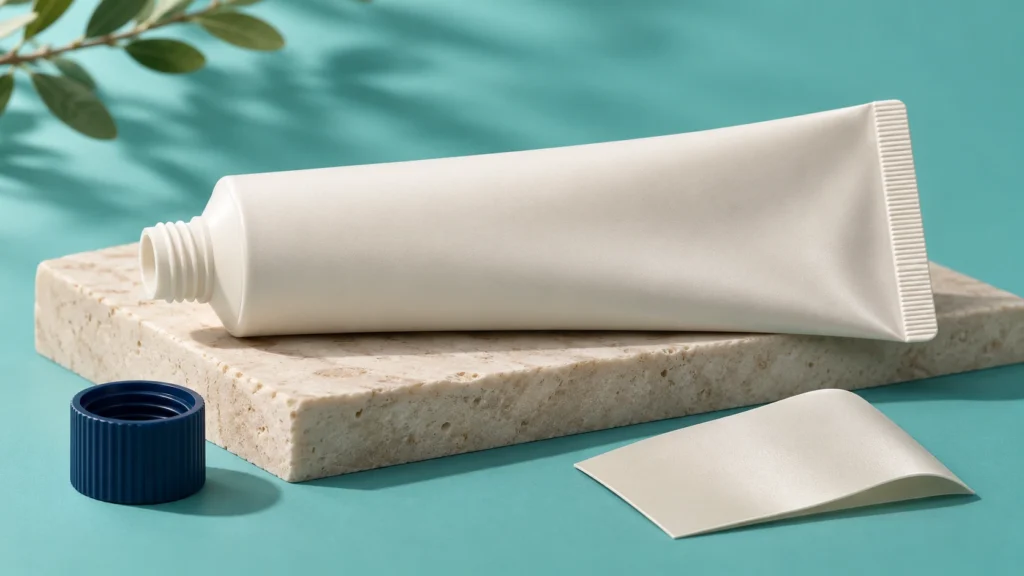
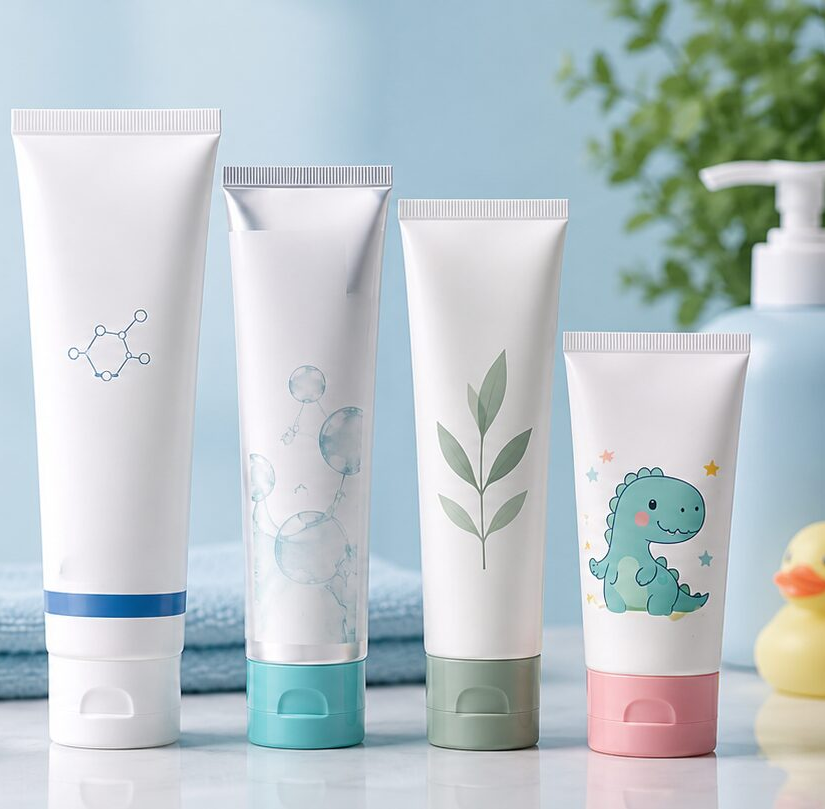
Share the intended tube material, diameter, shoulder, cap, fill weight, print method and carton requirements. Include component drawings and identify customer-supplied parts. If a choice is undecided, state the target use and channel so options can be reviewed before artwork is locked.
Tube geometry, decoration and component sourcing can change cost, minimum quantities and production planning. Review the packaging options with the formula direction. Confirm the artwork version, print area and approval owner.
A laboratory sample approved for flavor and texture does not validate the commercial tube or filling process. Before bulk approval, agree how the selected formula and tube will be checked together, including dispensing, fill behavior, seal or crimp integrity, leakage and the relevant compatibility and stability work. Record what has been evaluated and what remains open. A change to the tube, closure or formula may require further review.
List proposed claims separately from approved wording. For each, name the evidence required, who commissions it, who reviews the result and who approves use in the destination market. Testing and regulatory work must have an agreed scope and cost.
Keep formulation capability, product performance and permitted advertising wording as separate approval decisions. A successful sensory sample cannot approve an anticavity, sensitivity or other regulated claim.
ORALABX’s standard commercial MOQ is 10,000 tubes/SKU. State first-order units per SKU, fill weight, SKU count, target cost basis and repeat-order assumptions. Final quantities depend on the formula, approved packaging and component minimums.
For an existing formula route, initial samples usually take 5–7 working days after formula-scope confirmation. First-order mass production usually takes 45–60 days after formula, packaging, artwork and deposit confirmation, with shipping additional. Custom development, additional testing or special components need a separately agreed schedule. Do not count a laboratory prototype as a commercial order.
Record sample code, formula version, receipt date and the brief version being evaluated.
Compare flavor, sweetness, cooling, foam, texture and aftertaste against the agreed target. Use consistent review conditions.
Separate mandatory corrections from optional preferences and consolidate feedback through one buyer decision owner.
Identify whether a requested change affects ingredients, claims, packaging or cost. Confirm the revised brief before another round.
Approve the sensory direction explicitly. Record the packaging, testing and market approvals still outstanding.
Convert the approved direction into a version-controlled commercial specification. Agree the formula version, finished-product attributes and acceptance criteria, packaging bill of materials, fill weight, artwork version and any testing requirements. Record who signs each approval and what triggers reapproval.
Before ordering, confirm in-process checks, finished-product release criteria, the authorized release role and which batch documents will be supplied where applicable. Agree how a nonconforming batch is handled and how raw-material or component substitutions are approved. Repeat orders should reference the approved specification and a documented change history.
Use the OEM process to plan the handover. For deeper supplier qualification, follow the toothpaste manufacturer evaluation checklist.
| Brief field | Buyer input | Confirmation needed |
|---|---|---|
| Market and ownership | Launch country, channel, consumer and approval owners | Classification and market-side responsibility. |
| Manufacturing route | Existing base, modification, custom or buyer-owned formula | Development scope and specification ownership. |
| Ingredient direction | Fluoride/fluoride-free/nHAp; exclusions; abrasive direction | Feasibility, evidence and any RDA testing plan. |
| Sensory target | Flavor, sweetness, cooling, foam, texture and aftertaste | Sample reference and feedback method. |
| Pack specification | Tube material, diameter, shoulder, cap, fill weight, print method and carton | Component availability and commercial filling review. |
| Claims | Proposed wording and priority | Evidence owner, review and permitted final wording. |
| Commercial plan | First-order tubes/SKU, costs and launch milestones | MOQ and conditional sample/production schedule. |
| Commercial approval | Specification, artwork and batch-document requirements | Release criteria, sign-off and change control. |
Include market, consumer, formula route, ingredient and abrasive direction, sensory targets, tube details, claims for review, first-order units per SKU, timing and approval owners.
No. An existing-base or development project can start from a clear brief. A buyer-owned formula requires a controlled specification and manufacturing-transfer review.
No. Formula acceptance, commercial packaging checks and production readiness need their own recorded approvals.
State the testing or performance requirement and seek a technically supported proposal. Do not invent a ratio or accept an untested abrasivity claim.
The standard commercial MOQ is 10,000 tubes/SKU. For an existing formula route, initial samples usually take 5–7 working days after formula-scope confirmation; further development and testing are separately scheduled.
Send your market, consumer, formulation direction, sensory target, tube concept and first-order tubes per SKU through the ORALABX project inquiry. Include the internal decision owner and proposed launch date so the team can review feasibility and identify the next approval steps.
Share your product type, target market, estimated volume and launch timeline. We will review the project scope and recommend the appropriate development path.
Best suited to brands, importers and distributors planning scalable commercial production.